
Reviewed · WORKSHOPS
Taipei Calligraphy Workshop (DIY incl.)
Chinese calligraphy is not just writing with a fancy brush. It is a lesson in control, rhythm, and patience, and this two-hour Taipei workshop lets you try the real tools instead of merely looking at finished works. You’ll learn about the art’s long development, practice basic strokes, and make your own pieces to carry home.
I like the six-person limit, which gives the instructor room to correct your brush position and offer useful guidance. I also like the setting, described as a room filled with Chinese paintings, calligraphy, and artifacts. The main consideration is time: two hours is enough for a satisfying introduction, but not enough to master more than the basics.
Key points to know before you book
- Small group of six: You receive hands-on help rather than a quick demonstration followed by free practice.
- Beginner-friendly instruction: No previous calligraphy or artistic skill is needed.
- A clear learning sequence: The class covers history and styles, brush handling, practice techniques, and a final piece.
- Instructors with different strengths: Teresa is praised for her patient teaching, while Ruby is helpful with arrival details and Ginn adapts well to a student’s interests.
- A useful Taipei souvenir: You create calligraphic work yourself, rather than buying a mass-produced keepsake.
- Convenient two-hour outing: The workshop takes place at No. 16, Lane 151, Section 2, Jianguo South Road, in Da’an District, and ends where it begins.
Why this two-hour class is more than a souvenir stop
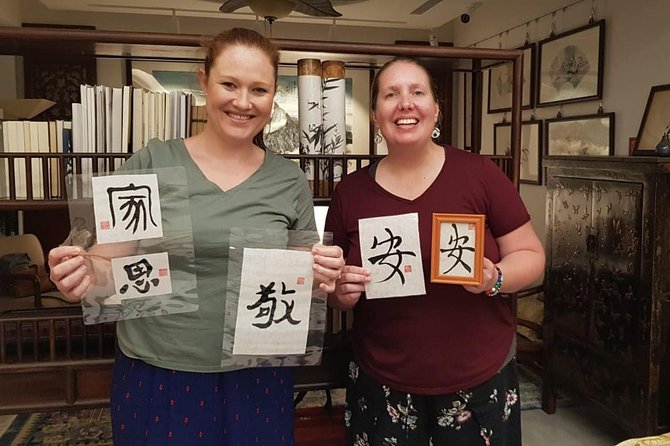
I like cultural activities that ask you to do something, not just listen. Here, you hold the brush, load it with ink, make mistakes, try again, and slowly see why a simple-looking stroke takes practice.
That physical work gives the history some meaning. Once you have struggled to keep a line even or finish a stroke with the right pressure, calligraphy in a museum looks different. You begin to notice movement, spacing, balance, and the confidence behind each mark.
The class also has a quiet, reflective quality. The current description presents it as a modern introduction linked with mindfulness, and that is a fair way to think about the pace. You are encouraged to slow down and pay attention to each movement rather than rush toward a perfect final page.
You do not need to consider yourself artistic. One of the useful features of this workshop is that the instruction begins with basic brush use and simple methods for staying deliberate. The goal is not to produce professional work in one sitting. It is to understand the tools, make something personal, and gain respect for the craft.
A few more Taipei trips to weigh up
- Xiao Long Bao, Beef Noodles & Boba Tea Cooking Class in Taipei
★ 5.0 · 159 reviews - Xiao Long Bao, Chicken vermicelli with mushroom and sesame oil, Tofu strips salad, Bubble milk tea. Taiwan Traditional Delicacies Experience-A (Taipei Cooking Class)
★ 5.0 · 79 reviews - Taipei Cooking Class & Market Adventure in Historic Dadaocheng
★ 5.0 · 77 reviews
Arriving in Da’an and finding the classroom
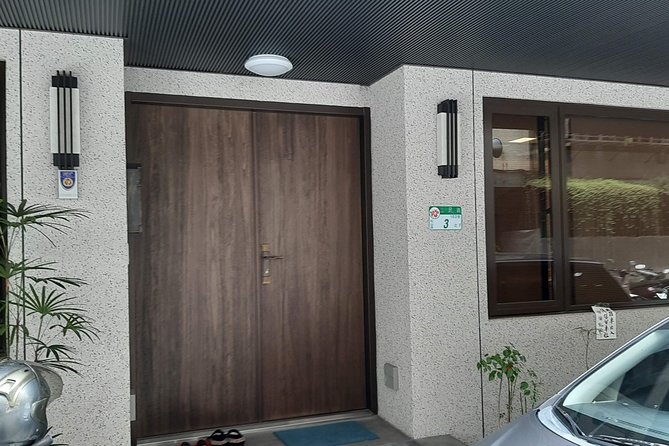
You make your own way to No. 16, Lane 151, Section 2, Jianguo South Road, Da’an District, Taipei City 106. Private transportation is not included, but the location is near public transportation, so this is best approached as an easy city outing rather than a hotel pickup activity.
Plan your route before leaving. The address includes a lane and section number, details that matter in Taipei, where a short walk can involve several similar-looking streets and entrances. Ruby has been especially helpful with arrival instructions, so use the booking contact if you need help getting to the classroom.
The activity begins and ends at the same location. That makes planning simple: you can pair it with another Da’an stop before or after, but you should allow enough time to arrive without hurrying. Rushing in with a coffee in one hand and your phone map in the other is not the ideal preparation for an art based on calm, measured movement.
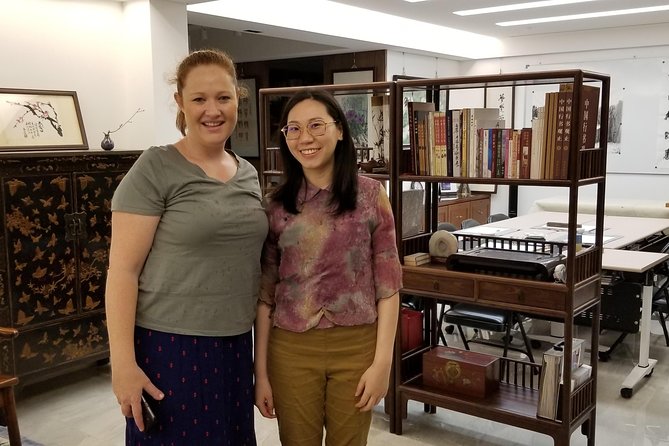
The room itself is part of the appeal. It has been described as a beautiful space decorated with Chinese paintings, calligraphy, and artifacts. That gives you something to look at before and after the lesson, and it places the practice in a setting connected to the tradition rather than a plain activity room.
The opening lesson: history, styles, and what to look for
The class begins with an introduction to Chinese calligraphy and its development over thousands of years. You are not expected to memorize a long chronology. Instead, the history helps explain why Chinese calligraphy has several distinct styles and why the shape of a character can change so much from one period or approach to another.
You will go through different calligraphy styles before beginning the practical work. This is a worthwhile part of the session because it gives you a visual reference. You can start to see that calligraphy is not simply about copying printed Chinese characters. The brush creates variation in thickness, texture, speed, and pressure.
This section is also useful if you plan to visit the National Palace Museum. The workshop description specifically connects the lesson with looking at calligraphy there. After practicing, you may find it easier to notice how an accomplished artist controls space and movement on a much larger level.
Students with some Chinese language experience can get extra value from this part. Ginn, one of the instructors mentioned in the class feedback, has helped students connect the art to what they already know. Still, the workshop does not require you to read Chinese. The focus is on brushwork, history, and technique.
Holding the brush and learning the first strokes
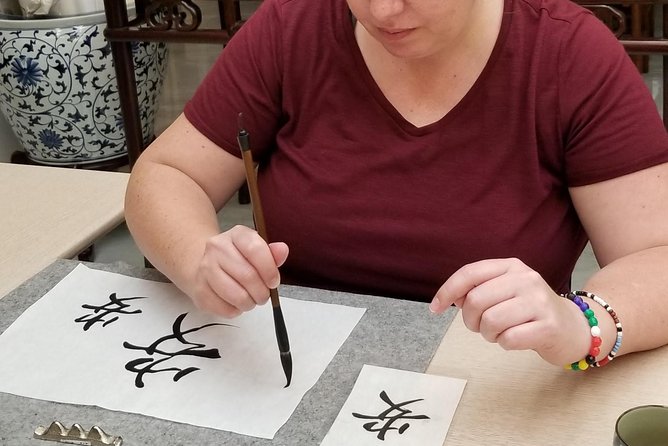
The practical work starts with the brush. That sounds simple until you try it. The way you hold and guide a calligraphy brush affects the width, direction, and finish of every line.
The instructor demonstrates how to use and manage the brush, then gives you time to practice. This is where the six-person maximum matters. A large class might show you the correct position once and leave you to guess. In this small setting, the instructor can watch your hand and help you adjust.
You will work through simple techniques designed to make your movements more intentional. The point is not speed. A controlled start, turn, pause, or finish can change the character completely.
Teresa has been praised for being patient and clear with complete beginners. That is important here because the first attempts may feel awkward. You might press too hard, lift too soon, or expect the brush to behave like a pencil. The instructor’s job is to help you understand those differences without making the process intimidating.
The workshop is also a useful choice for couples or friends who want to share an activity without competing too seriously. You can compare your first strokes, laugh at the wobbly ones, and then see each person develop a different touch. Group discounts are available, which may improve the value for a small party.
Same island, a completely different kind of day:
- From Taipei: Shifen, Jiufen, and Yehliu Guided Day Trip
★ 4.6 · 1,654 reviews - Full-Day Private Custom Taipei City Tour
★ 5.0 · 911 reviews - Taipei: Jiufen Night View and Shifen Day Tour
★ 4.6 · 870 reviews - Taipei: Taipei 101 Observatory Deck Entry Ticket
★ 4.6 · 847 reviews
Creating a personal calligraphy piece
After the practice section, you put the techniques together and create your own calligraphic work. This is the point where the lesson becomes a souvenir with a story behind it.
Do not expect every mark to look polished. That is not a failure. A handmade piece shows the pressure, pace, and confidence you developed during the class. The instructor helps you apply the basic principles, but the result remains your own.
The final work is something you can take home. That gives the class more lasting value than a short demonstration, especially if you have limited space in your luggage and want a small reminder of Taipei that you actually made.
I would keep your expectations sensible. The activity is designed for beginners, and two hours passes quickly once the introduction, demonstrations, practice, and final work are included. You will come away with a first piece and a stronger understanding of the art, not a finished professional portfolio.
Tea, conversation, and the pace of the room
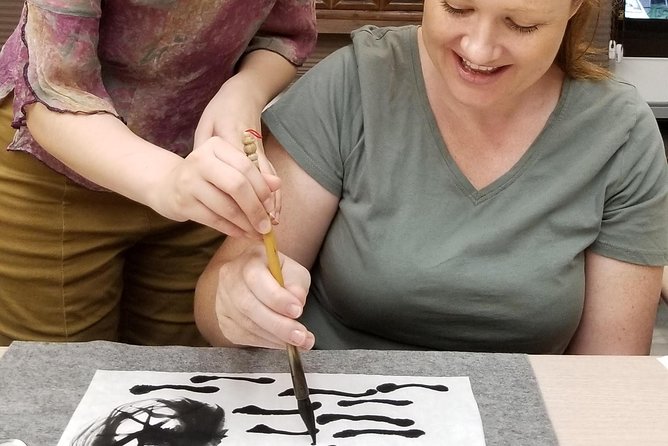
Tea has been served during at least some sessions, adding to the relaxed tone. It is a small detail, but it fits the activity well. You are spending time with an instructor, looking at Chinese art, and working slowly with ink. A cup of tea gives the class a natural pause.
The workshop can work especially well on a rainy Taipei afternoon. You remain indoors, have a cultural activity with substance, and avoid a schedule built around outdoor sightseeing. It is also a good reset after several busy days of markets, temples, and city streets.
The atmosphere depends partly on the instructor and the group, but the limited size helps keep the class personal. Teresa is described as gentle and welcoming, while Ginn has been attentive to individual interests. Ruby has made communication before the class straightforward. These details suggest an experience that values conversation as well as technique.
Still, this is not a silent meditation retreat. You are taking a class, asking questions, and sharing the room with other people. If you want a long, advanced period of uninterrupted brushwork, the two-hour format may feel short.
What the $79 price gets you
At $79 per person, the workshop is not the cheapest way to spend two hours in Taipei. Its value comes from the combination of a small group, direct instruction, cultural context, materials, and a piece of your own work to take home.
The group cap is especially important when judging the price. You are not paying only for access to brushes and paper. You are paying for an instructor who can watch your technique and respond to your questions. That personal attention is harder to provide in a large class.
The price also includes gratuities, which keeps the final cost clearer. Private transportation is not included, so you need to pay for your own trip to and from Da’an. Because the activity lasts about two hours and begins and ends at the meeting point, it is easy to fit into a day without committing to a full-day tour.
For a visitor who wants a practical cultural lesson, I think the price is reasonable. For someone who only wants a quick photo and a pre-made souvenir, it may feel high. The best value comes when you care about learning the process and keeping a handmade result.
Who will enjoy this workshop most
I would recommend this class to several types of people:
- First-time visitors who want a cultural activity with real participation
- Couples looking for a quiet shared experience
- Friends who enjoy learning a craft together
- Students of Chinese language or culture
- Museum visitors who want more context before seeing calligraphy collections
- Anyone who wants an indoor activity for a rainy day
- Parents and older children who can take part in a calm, hands-on lesson
You do not need an art background. The class is built for beginners, and the teaching focuses on manageable techniques.
I would be more cautious if you have limited mobility or need a fully specified accessibility setup. The activity notes that most people can participate and that service animals are allowed, but they do not provide detailed information about seating, room layout, or step-free access. Contact the provider before booking if those details matter to you.
Planning the timing and cancellation deadline
The activity is booked on a mobile ticket, and confirmation is received when you book. It is sensible to save the meeting address and confirmation on your phone before setting out.
The class is often reserved well ahead of time, with bookings averaging about 24 days in advance. That does not guarantee that every date sells out, but it is a good reason to plan ahead if the workshop is important to your Taipei schedule.
You can cancel for a full refund up to 24 hours before the local start time. Cancellations or changes made inside that 24-hour window are not accepted for a refund. The class also requires a minimum number of participants, so if the provider cancels because that minimum is not reached, you can choose another date or experience, or receive a full refund.
Is the Taipei Calligraphy Workshop worth booking?
I would book this if you want a personal, hands-on introduction to Chinese culture and like the idea of taking home something you made yourself. The small group, patient instruction, art-filled room, and clear progression from history to practice make the $79 price easier to justify.
Book with realistic expectations. You will not become a calligraphy expert in two hours, and the session may feel brief if you want advanced instruction. But you will learn how the brush works, understand more of what you see in museums, and leave with a handmade reminder of Taipei.
For the strongest fit, reserve this as a calm break in your itinerary rather than squeezing it between rushed attractions. If you can arrive prepared, listen closely, and accept a few imperfect strokes, this workshop offers a thoughtful souvenir and a memorable way to spend an afternoon.
FAQ
Where does the calligraphy workshop begin?
The meeting point is No. 16, Lane 151, Section 2, Jianguo South Road, Da’an District, Taipei City, Taiwan 106.
Where does the activity finish?
The workshop ends back at the meeting point.
How long does the workshop last?
The class lasts approximately two hours.
How many people can join the class?
The maximum group size is six participants.
Is the workshop suitable for beginners?
Yes. The class is presented as beginner-friendly, and no previous calligraphy experience is needed.
What will I learn during the class?
You will learn about the history and styles of Chinese calligraphy, how to hold and manage the brush, basic techniques, and ways to make your own calligraphic work.
Can I take my artwork home?
Yes. You create your own calligraphic pieces and can take them with you.
Is transportation included?
No. Private transportation is not included. You make your own way to the classroom, which is near public transportation.
Can I cancel for a full refund?
Yes. You must cancel at least 24 hours before the experience start time for a full refund. Changes or cancellations made less than 24 hours before the start time are not accepted for a refund.
Just added around Taipei
- Vintage Taipei – Best of Taiwan and Sunset Walking Tour★ 5.0 · 4 reviews
- Private Yangmingshan National Park Hiking Day Tour from Taipei★ 5.0 · 5 reviews
- Yilan 1-Day Private Tour to Kavalan Whisky & Cultural Gems★ 4.5 · 3 reviews
- Xiao Long Bao, Chicken vermicelli with mushroom and sesame oil, Tofu strips salad, Bubble milk tea. Taiwan Traditional Delicacies Experience-A (Taipei Cooking Class)★ 5.0 · 8 reviews
- Best of Taiwan 9 Days Tour★ 3.5 · 3 reviews
- Keelung Shore Excursion: Private 6H Natural Wonder & Seafood Tour★ 5.0 · 3 reviews
- Xiao Long Bao, Chicken vermicelli with mushroom and sesame oil, Tofu strips salad, Bubble milk tea. Taiwan Traditional Delicacies Experience-A (Taipei Cooking Class)★ 5.0 · 5 reviews
- Two-day Sun Moon Lake & Alishan Forest Park Tour Package★ 4.0 · 5 reviews
Workshops, compared.
Xiao Long Bao, Beef Noodles & Boba Tea Cooking Class in Taipei
Read our review →

Taipei Cooking Class & Market Adventure in Historic Dadaocheng
Read our review →
Xiao Long Bao & Boba Tea Cooking Class in Taipei
Read our review →
Xiao Long Bao, Pork thick soup, Bubble milk tea. Taiwan Traditional Light Meals Experience-B (Taipei Cooking Class)
Read our review →
Street Food Cooking Class in Taipei : Gua Bao/Lu Rou Fan/Boba Tea
Read our review →

Xiao long bao, Pork thick soup, Bubble milk tea. (Taiwan Cooking Class)-B
Read our review →Browse the lists this tour appears in