
Reviewed · TAIWANESE COOKING CLASSES
Street Food Cooking Class in Taipei : Gua Bao/Lu Rou Fan/Boba Tea
Taiwanese street food is more than something to grab from a night-market stall. In this two-hour cooking class, you make three of the island’s best-known small eats: gua bao, lu rou fan, and bubble milk tea. The most unusual part is making the boba pearls from scratch, then shaking your own drink at the end.
I like the small group of no more than eight, since cooking goes better when you can ask questions without waving a ladle for attention. I also like the recipe book, a practical souvenir that lets you recreate the meal at home. The main drawback is the tight schedule. You cover several recipes in two hours, so this is a brisk lesson rather than a slow, deep study of Taiwanese cooking.
Key points at a glance
- Make gua bao from scratch: Learn to prepare the soft steamed bun and pair it with braised pork belly.
- Cook classic lu rou fan: Practice the braising method used for one of Taiwan’s most comforting rice dishes.
- Form chewy boba pearls: The tapioca is made by hand, and this step can be harder than it looks.
- Small class size: The maximum is eight people, allowing for direct help and guidance.
- Eat what you prepare: The class ends with a homemade meal rather than a quick tasting.
- Useful take-home souvenir: A recipe book helps you repeat the dishes after returning home.
Why these three Taiwanese dishes matter
Taiwan’s xiao chi, or small eats, are built for everyday pleasure. They are not formal banquet dishes. They are the foods people pick up for a quick meal, share with friends, or eat when they want something filling and familiar.
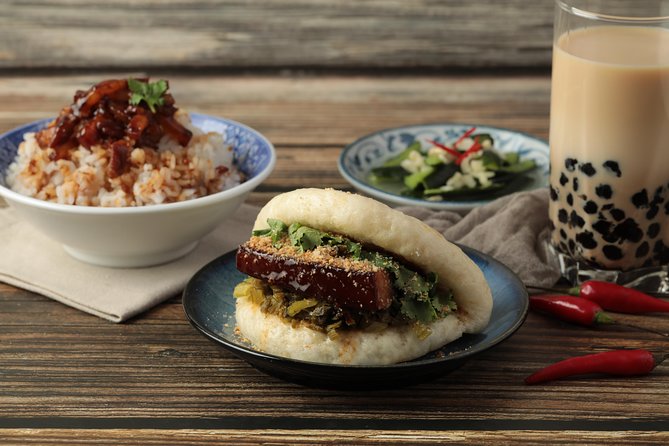
This class focuses on dishes that explain different parts of Taiwanese food culture. Gua bao gives you a steamed bun with tender braised pork belly. Lu rou fan turns seasoned braised pork into a rice dish. Bubble milk tea adds the drink that moved from Taiwan’s tea shops to cafés around the world.
That mix makes the class useful for first-time visitors. You are not only preparing one recipe. You are learning how a bun, a rice bowl, and a sweet drink fit into the country’s street-food tradition.
I also appreciate that the food is familiar enough to be approachable. You do not need advanced kitchen skills to understand the basic steps. At the same time, the handmade boba adds a little challenge, so the lesson is not simply assembling ingredients that someone else has prepared.
More taiwanese cooking classes in Taipei:
- Xiao Long Bao, Beef Noodles & Boba Tea Cooking Class in Taipei
★ 5.0 · 159 reviews - Xiao Long Bao, Chicken vermicelli with mushroom and sesame oil, Tofu strips salad, Bubble milk tea. Taiwan Traditional Delicacies Experience-A (Taipei Cooking Class)
★ 5.0 · 79 reviews - Taipei Cooking Class & Market Adventure in Historic Dadaocheng
★ 5.0 · 77 reviews
Starting at CookInn Taiwan in Zhongshan
The class meets at CookInn Taiwan’s Zhongshan classroom at 66, Section 1, Chengde Road, second floor, in Taipei’s Datong District. The listed start time is 2:30 pm, and the activity returns to the same meeting point.
That fixed location is helpful because you do not need to follow a guide through several food stops or figure out a final pickup point. You arrive at one cooking school, settle in, and stay there for the full session.
Plan your Taipei day around the start time. A 2:30 pm class works well after a morning of sightseeing, but do not schedule a tight afternoon commitment right afterward. The official duration is about two hours, and cooking time can feel short when several dishes share the same lesson.
The class uses a mobile ticket, so have your booking confirmation ready on your phone. Confirmation is provided when you book. Since the group can be as small as a few people and is limited to eight, the setting should feel more like a guided kitchen lesson than a large demonstration.
Making gua bao, Taiwan’s soft steamed sandwich
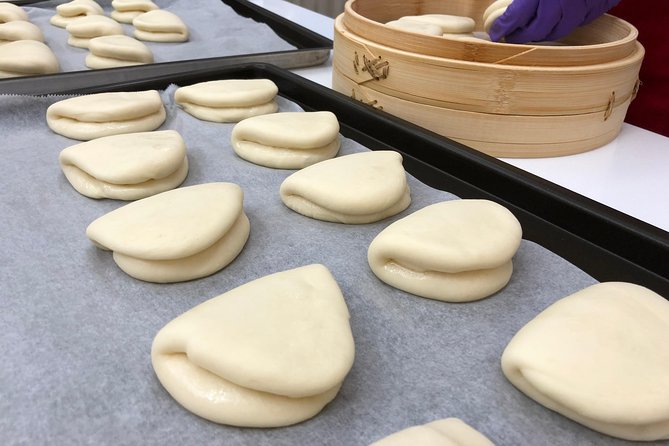
Gua bao is sometimes called a Taiwanese hamburger, though the comparison only goes so far. Instead of a sliced bread roll, you get a soft, folded steamed bun that holds braised pork belly and its accompanying flavors.
The class teaches you how to make the buns, not just how to fill them. That matters because the bun is part of the dish’s appeal. It should be tender and pillowy, with enough structure to hold the pork without turning into a sticky handful.
You also learn the basics of braising pork belly. This is the cooking step that brings the deep, savory flavor to the filling. The process teaches you more than a final seasoning list. It shows how a simple cut of pork becomes soft and richly flavored with patient cooking.
Gua bao is likely to be the highlight of the meal for many people. One detailed account praised the finished gua bao above the other dishes and described it as especially delicious. That matches the dish’s appeal: warm bun, fatty pork, and contrasting textures in one neat package.
You should still expect to work. This is not a class where a chef cooks the main components while you watch. You take part in the bun preparation and pork process, with guidance along the way.
Preparing lu rou fan with braised pork
Lu rou fan is a rice dish topped with braised pork, and it is one of Taiwan’s classic comfort foods. It is less showy than gua bao, but it gives you a clearer sense of how braised pork works as an everyday meal.
The important lesson is the pork. You practice the seasoning and cooking method, then serve it over rice. Details from the class indicate that the rice may already be prepared, so the focus is on the topping rather than cooking every part of the bowl from raw ingredients.
That division makes sense in a two-hour class. Rice cooking can take time without adding much instruction, while braising gives you a technique you can reuse in other dishes. Pay attention to the instructor’s explanation of the pork, since this is the part most likely to help you recreate the flavor at home.
Lu rou fan also gives the meal some balance. Gua bao is handheld and bun-based. The rice bowl feels more like a complete, filling dish. Making both lets you compare two ways of serving similar braised pork.
More bubble milk tea experiences in Taipei:
- Xiao Long Bao & Boba Tea Cooking Class in Taipei
★ 5.0 · 28 reviews - Xiao Long Bao, Pork thick soup, Bubble milk tea. Taiwan Traditional Light Meals Experience-B (Taipei Cooking Class)
★ 5.0 · 24 reviews - Xiao long bao, Pork thick soup, Bubble milk tea. (Taiwan Cooking Class)-B
★ 5.0 · 18 reviews - Xiao Long Bao, Chicken vermicelli with mushroom and sesame oil, Tofu strips salad, Bubble milk tea. Taiwan Traditional Delicacies Experience-A (Taipei Cooking Class)
★ 5.0 · 8 reviews
Rolling and cooking the homemade boba
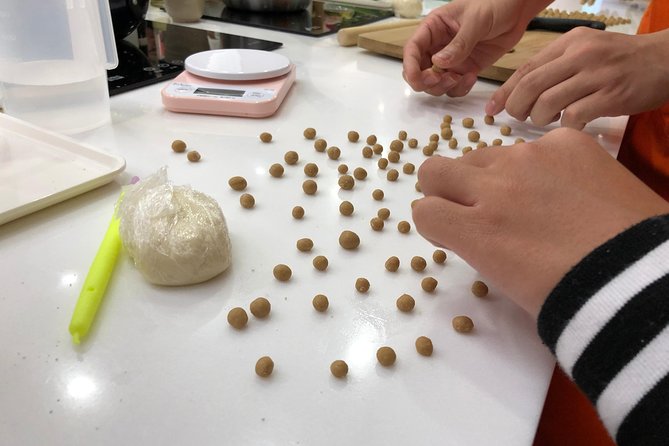
The bubble tea segment is the class’s most hands-on surprise. You make chewy tapioca pearls from scratch, then prepare and shake your own cup of bubble milk tea.
Do not treat this as a throwaway drink demonstration. Forming boba by hand takes care, and one account described the process as surprisingly difficult. That challenge is useful. It gives you a better understanding of why the pearls have their particular chew and why texture matters so much in bubble tea.
The activity also adds a playful finish to the cooking. After working with dough and braised pork, you get to prepare a drink that is closely tied to modern Taiwanese food culture. The final shaking step is simple, but it makes the drink feel like your own creation rather than a beverage poured for you.
The boba may not come out perfectly uniform on your first try. That is part of the appeal, but it is also a reason to listen closely to the instructor. If you want a polished drink with no effort, buy one from a tea shop. If you want to understand how the chewy pearls are made, this class offers something a normal food tour cannot.
A meal, not just a demonstration
The class ends with time to eat the food you have prepared. That makes the experience more satisfying than a lesson built around tiny samples.
You should come hungry, but not so hungry that you lose patience during the preparation. Several dishes need to be made before you sit down, and the class is only about two hours long. A light meal beforehand is sensible if you need one, but leave room for the gua bao, pork rice, and bubble tea.
Eating at the end also helps you judge the results. You can see how the bun holds together, taste the braised pork in two formats, and check the texture of the boba. Those comparisons are valuable when you later try the recipes in your own kitchen.
The meal is also where the class becomes social. Cooking is easier to remember when you share the results with a small group. The maximum of eight keeps the table from becoming unwieldy, while still giving the session enough energy for conversation.
What the instruction is like
The teaching style is friendly and patient. Angela is one instructor connected with the experience, and her guidance has been described as clear and capable. If she is leading your session, you can expect a practical approach rather than a lecture-heavy one.
The class has also worked well for families. Children aged 8, 10, and 11 were included in the cooking and received patient help. That does not mean every task will be suited to every child, but the format can work for families who want an activity beyond sightseeing.
You should expect to take part at each stage. The instructor explains the steps, then helps you put them into practice. A small group is especially useful here because hands-on cooking often raises small questions: how much dough to use, how to shape the bun, or how to handle the boba mixture.
The lesson is described as easy and fun for a range of skill levels. Still, do not confuse beginner-friendly with completely effortless. The boba requires attention, and timing several dishes in a short class takes some focus.
Is $79 a fair price?
At $79 per person, this is not the cheapest way to eat street food in Taipei. You can buy gua bao, lu rou fan, and bubble tea for much less at local food stalls.
The value comes from the instruction and the work involved. You are paying for a small class, direct guidance, ingredient preparation, access to a cooking space, a meal, and a recipe book. If you only want to taste the dishes, a night market is the better bargain. If you want to understand how they are made and repeat them at home, the price is easier to justify.
The recipe book improves the value. Many cooking classes are enjoyable for one afternoon but fade from memory afterward. Written recipes give you a way to bring the experience home and try the dishes again for family or friends.
I would consider the price reasonable for someone who wants an activity with a clear result. You spend two hours cooking, then eat a full meal. That is a better fit for your budget than a class that offers only a demonstration or a few small bites.
Who should book this class?
I would recommend it to first-time visitors who want a direct introduction to Taiwanese food. The menu covers three recognizable local specialties, and the class explains techniques rather than asking you to simply sample finished dishes.
It suits families especially well, based on the way children have been included in the cooking. It also fits couples, friends, and solo participants who prefer an active afternoon to another sightseeing stop.
You will get the most from it if you enjoy trying recipes at home. The recipe book and hands-on practice make the experience useful after Taipei. If you have no interest in cooking, the class may feel like too much work for food you could easily buy.
This is also a good choice if you have already eaten Taiwanese street food and want to understand it better. You will recognize the finished dishes, but the class shows the preparation behind them.
Timing, group size, and cancellation details
The class begins at 2:30 pm and lasts approximately two hours. It ends at CookInn Taiwan, the same place where it starts.
The group maximum is eight people. That is a meaningful limit for a cooking class, since smaller numbers make it easier to get help with shaping buns, braising pork, and forming tapioca pearls.
Free cancellation is available if you cancel at least 24 hours before the local start time. Cancellations or changes made less than 24 hours in advance are not refunded or accepted. The class also requires a minimum number of participants, and if that minimum is not reached, you are offered another date or experience, or a full refund.
Should you book the CookInn Taiwan class?
Book it if you want to do more than eat Taipei’s famous small eats. The gua bao lesson is the strongest reason to go, while the handmade boba adds a memorable challenge and the lu rou fan shows how braised pork works in a rice bowl.
Skip it if your priority is the lowest possible food cost or a relaxed meal with no preparation. The two-hour schedule is active, and the boba takes effort.
For most food-minded visitors, I think the class earns its place in a Taipei itinerary. You leave fed, with a recipe book and a better sense of how three everyday Taiwanese favorites come together. That is a useful souvenir, and one you can actually cook.
FAQ
How long does the cooking class last?
The class lasts approximately two hours.
What time does the class start?
The listed start time is 2:30 pm.
Where does the class meet?
It meets at CookInn Taiwan, Zhongshan classroom, at 66, Section 1, Chengde Road, second floor, Datong District, Taipei City, Taiwan.
Where does the experience end?
The activity ends back at the same meeting point, CookInn Taiwan.
What dishes will I make?
You will learn to make gua bao, prepare braised pork for lu rou fan, and make tapioca pearls for bubble milk tea.
How many people can join the class?
The class has a maximum of eight participants.
How much does the class cost?
The listed price is $79 per person.
Can I cancel for a full refund?
Yes. You must cancel at least 24 hours before the experience start time for a full refund. Cancellations or changes made less than 24 hours before the start time are not accepted or refunded.
More Food & Drink in Taipei
- The Award-Winning Private Food Tour of Taipei: The 10 Tastings
★ 5.0 · 716 reviews - Taipei: Food Tours w/ Top 10 Taiwan Food (Breakfast/Dinner)
★ 4.7 · 517 reviews - Taipei: Private Food Tour – 10 Tastings with Locals
★ 4.9 · 218 reviews - Taipei: Street Food & Hidden Eats Night Market Food Tour
★ 4.8 · 112 reviews
More Cooking Classes in Taipei
- Taiwanese Gourmet Cooking Class in Taipei
★ 5.0 · 18 reviews - Taipei: Cooking Class & Market Adventure Historic Dadaocheng
★ 4.9 · 17 reviews - Taiwanese Food Culture and Cooking Class
★ 5.0 · 16 reviews - Turnip cake, Pork thick soup, Tofu pudding. Taiwan Traditional Light Meals Experience-C (Taipei Cooking Class)
★ 5.0 · 9 reviews
Just added around Taipei
- Vintage Taipei – Best of Taiwan and Sunset Walking Tour★ 5.0 · 4 reviews
- Private Yangmingshan National Park Hiking Day Tour from Taipei★ 5.0 · 5 reviews
- Yilan 1-Day Private Tour to Kavalan Whisky & Cultural Gems★ 4.5 · 3 reviews
- Xiao Long Bao, Chicken vermicelli with mushroom and sesame oil, Tofu strips salad, Bubble milk tea. Taiwan Traditional Delicacies Experience-A (Taipei Cooking Class)★ 5.0 · 8 reviews
- Best of Taiwan 9 Days Tour★ 3.5 · 3 reviews
- Keelung Shore Excursion: Private 6H Natural Wonder & Seafood Tour★ 5.0 · 3 reviews
- Xiao Long Bao, Chicken vermicelli with mushroom and sesame oil, Tofu strips salad, Bubble milk tea. Taiwan Traditional Delicacies Experience-A (Taipei Cooking Class)★ 5.0 · 5 reviews
- Two-day Sun Moon Lake & Alishan Forest Park Tour Package★ 4.0 · 5 reviews
Taiwanese Cooking Classes, compared.
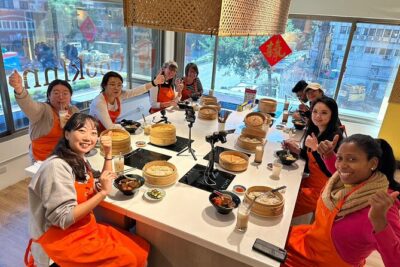
Xiao Long Bao, Beef Noodles & Boba Tea Cooking Class in Taipei
Read our review →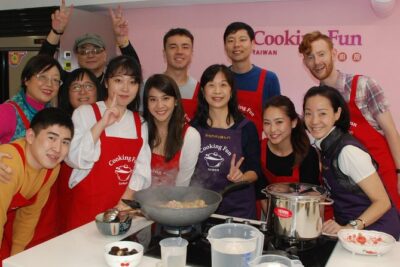
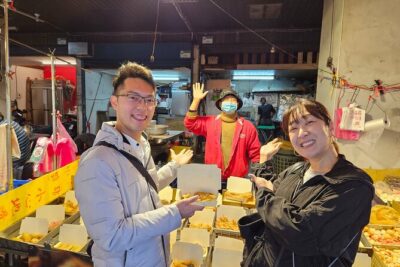
Taipei Cooking Class & Market Adventure in Historic Dadaocheng
Read our review →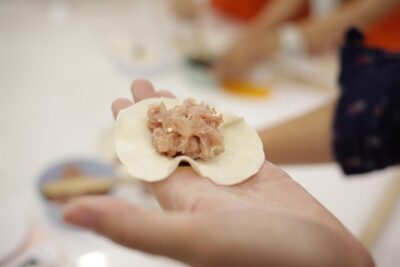
Xiao Long Bao & Boba Tea Cooking Class in Taipei
Read our review →
Xiao Long Bao, Pork thick soup, Bubble milk tea. Taiwan Traditional Light Meals Experience-B (Taipei Cooking Class)
Read our review →
Xiao long bao, Pork thick soup, Bubble milk tea. (Taiwan Cooking Class)-B
Read our review →
Cooking Class & Market Adventure Historic Dadaocheng
Read our review →Browse the lists this tour appears in