
Reviewed · TAIWANESE COOKING CLASSES
Taipei Cooking Class & Market Adventure in Historic Dadaocheng
Taipei’s best food lessons often begin away from the stove. Here, Alex leads you through Dihua Street and Dadaocheng’s traditional markets, where local ingredients and old commercial lanes set the scene for the cooking that follows. You then return to the school and make a Taiwanese dish from scratch.
I like the small maximum group of six, which leaves room for questions and conversation. I also like the clear weekly menu: you can choose braised beef noodle soup, scallion pancakes, Taiwanese risotto, or luroufan, the beloved braised pork rice.
The main consideration is that the walking portion may not suit everyone. One detailed 4-star assessment found the cooking excellent but considered the photo stops and group pictures less useful. If you mainly want hands-on cooking, the market walk may feel like an extra rather than the heart of the experience.
Key points to know before booking
- Dihua Street setting: Start at No. 356, Section 1, Dihua Street, in Taipei’s historic Dadaocheng district.
- Six-person limit: Small groups make it easier to follow instructions and speak with Alex.
- One dish per day: Tuesday is Taiwanese risotto, Wednesday and Saturday are braised beef noodle soup, Thursday is scallion pancakes, and Friday and Sunday are luroufan.
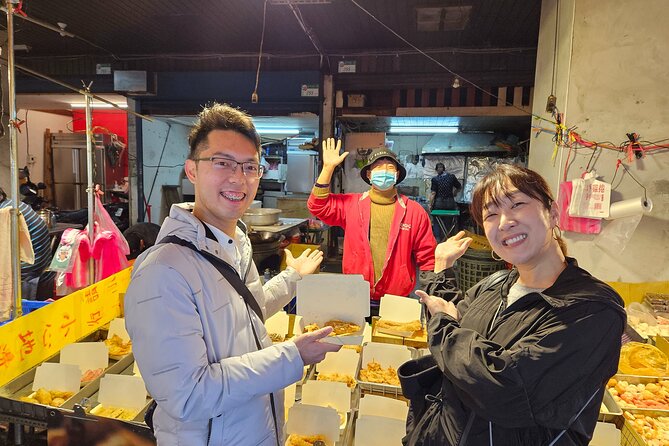
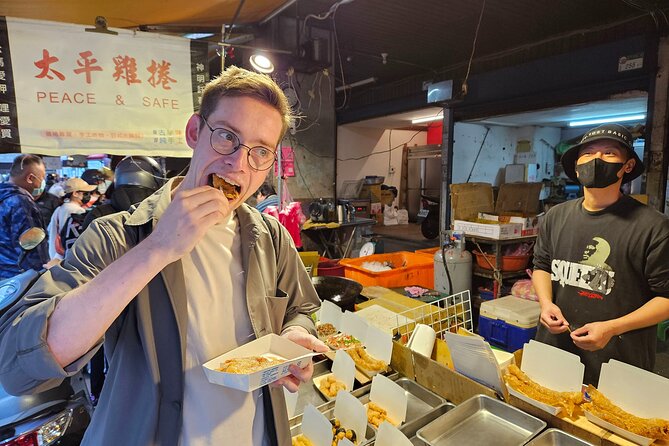
- Market tasting included: The first part includes local stories, traditional market visits, ingredient information, and chances to taste local foods.
- English-friendly instruction: Alex teaches mainly in English and also speaks Chinese and some Japanese.
- Three-hour morning schedule: Classes run from 9:30 a.m. to 12:30 p.m., Tuesday through Sunday.
Starting with Dadaocheng’s food streets
The experience begins at No. 356, Section 1, Dihua Street. You finish at the same place, so you do not need to arrange a second pickup point or figure out where to meet after cooking.
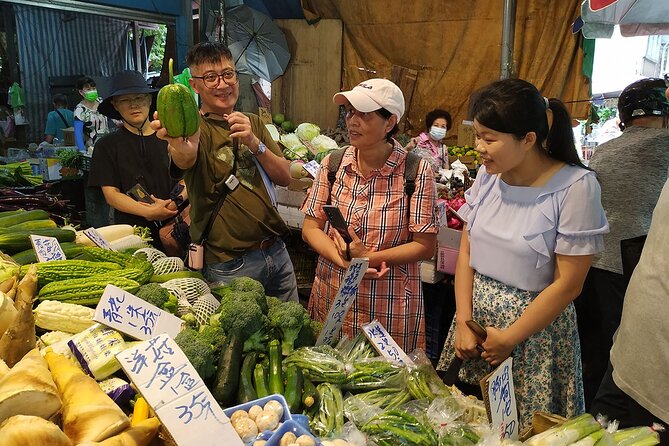
Dihua Street is a useful setting for this class because food here is tied to trade, family businesses, and everyday shopping. Alex leads you through nearby alleys and shares local stories as you go. The walk gives you a sense of how ingredients move from market stalls to home kitchens, even if the exact route and stops can vary.
You should expect a walking introduction rather than a major sightseeing tour. The focus is food and neighborhood life, not a long list of monuments. That makes the start practical: you see the sort of market goods that may appear in your recipe later in the morning.
The traditional market portion also gives you a chance to taste local delicacies and see ingredients in their usual setting. You may chat with stall owners if the moment feels right. That interaction is part of the experience, but it is not scripted as a formal vendor demonstration.
I would allow yourself enough time to arrive without rushing. The class begins at 9:30 a.m., and the meeting point is on a street that can be easier to reach when you have already checked your route. The activity is near public transportation, but no specific station or transit line is provided, so use the full street address when planning.
More taiwanese cooking classes in Taipei:
- Xiao Long Bao, Beef Noodles & Boba Tea Cooking Class in Taipei
★ 5.0 · 159 reviews - Xiao Long Bao, Chicken vermicelli with mushroom and sesame oil, Tofu strips salad, Bubble milk tea. Taiwan Traditional Delicacies Experience-A (Taipei Cooking Class)
★ 5.0 · 79 reviews - Xiao Long Bao & Boba Tea Cooking Class in Taipei
★ 5.0 · 28 reviews
What the market walk adds to the cooking lesson
A recipe can look simple on paper. Sticky rice, mushrooms, dried shrimp, pork, garlic, scallions, flour, or spices are easy to list. The market walk shows you that these ingredients are part of a larger food culture, not just items pulled from a shopping bag.
This is especially useful if Taiwanese cuisine is new to you. You can learn how local ingredients look before they are chopped, softened, simmered, or folded into dough. The food tasting also gives you a small preview of the flavors you will encounter during the class.
Alex’s style appears designed for conversation. He speaks English as the main teaching language, with Chinese and some basic Japanese available too. That language mix makes the class suitable for international visitors, though the experience is still best for people comfortable following spoken instructions in English.
The walk is also where the class feels most connected to Taipei itself. You are not simply learning a dish in an isolated kitchen. You are seeing the district where old-style food shopping remains part of the daily rhythm.
There is a limit to this strength. If your priority is cooking time, you may wish the walking introduction were shorter. The experience includes photo stops and group pictures, and one 4-star assessment found that part too focused on social media promotion. You can still gain useful context from the walk, but do not book this expecting three uninterrupted hours at a work surface.
Choosing the right Taiwanese dish
The weekly schedule matters because this is not one fixed class. Your date determines what you cook.
Tuesday: Taiwanese risotto, or youfan
Taiwanese risotto, known as youfan, uses sticky rice with pork, dried mushrooms, dried shrimp, daikon radish, pork ribs, and shallots. The name can mislead you if you expect Italian risotto. This is a Taiwanese sticky-rice dish with its own ingredients and cooking method.
It is a good choice if you want a meal that brings together several savory ingredients. The dried mushrooms and shrimp should give the dish a strong pantry character, while pork, radish, ribs, and shallots add substance. You will also see how a familiar grain can become something quite different in Taiwanese cooking.
A few more Taipei trips to weigh up
- Xiao Long Bao, Pork thick soup, Bubble milk tea. Taiwan Traditional Light Meals Experience-B (Taipei Cooking Class)
★ 5.0 · 24 reviews - Street Food Cooking Class in Taipei : Gua Bao/Lu Rou Fan/Boba Tea
★ 5.0 · 22 reviews - Xiao long bao, Pork thick soup, Bubble milk tea. (Taiwan Cooking Class)-B
★ 5.0 · 18 reviews - Taiwanese Gourmet Cooking Class in Taipei
★ 5.0 · 18 reviews
Wednesday and Saturday: braised beef noodle soup
The beef noodle soup class uses beef, garlic, bean paste, green onion, tomato, chili, and spices. This is one of the most recognizable Taiwanese comfort foods, and the ingredient list gives you a clear idea of the flavor base.
Choose this day if you want a substantial, slow-cooked style of dish and enjoy working with layers of savory seasoning. Garlic, chili, tomato, and bean paste point to a broth with plenty of character. The class may be especially useful for anyone who has eaten Taiwanese beef noodle soup and wants to understand what goes into it.
Thursday: scallion pancakes
Scallion pancakes use spring onion, spices, wheat flour, and bean oil. Compared with the rice and noodle dishes, this is the most focused option, but it is not necessarily the simplest. Dough-based foods depend on handling, shaping, and cooking technique.
This class suits you if you like practical kitchen work and want to learn a Taiwanese street-food staple. It may also be the easiest menu for someone seeking a dish built around a short ingredient list. Ask about dietary needs before booking, since the listed ingredients include wheat flour and bean oil.
Friday and Sunday: luroufan
Luroufan is braised pork rice, made with pork, shallots, pig skin, spices, and garlic. It is a direct introduction to the savory braised dishes that are central to many Taiwanese meals.
The pig skin is worth noting. It is part of the stated recipe, so this is not a menu to choose casually if you avoid pork or animal skin. If you enjoy traditional meat dishes, the class gives you a chance to see how a small set of ingredients can create a rich topping for rice.
Cooking from scratch with Alex
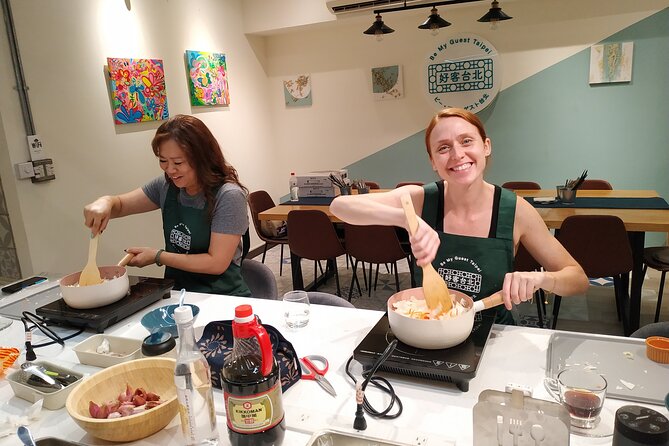
After the market walk, you return to the cooking school. The class is hands-on, and the promise is clear: you make the dish from scratch rather than simply watching an instructor prepare it.
Alex owns the school and teaches the class. His English is the main language, and he also speaks Chinese and some Japanese. The small group size is a real advantage here. With no more than six people, you should have a better chance to see each step, ask for clarification, and keep up with the pace.
The available information does not specify every kitchen task or the exact cooking equipment. You should therefore think of this as a guided cooking lesson, not a professional culinary workshop with a set syllabus. The value is in learning one Taiwanese dish, understanding its ingredients, and eating what you prepare.
The cooking section received the strongest praise in the available feedback, and that matches the design of the experience. The class has a clear purpose, a limited group, and recipes that represent well-known Taiwanese foods. The market walk supports the lesson, but the stove is where you get the most direct instruction.
The finished food is also part of the appeal. You do not just collect a recipe card and leave. You share the meal you have made, which gives the class a natural ending and lets you judge the flavors while the techniques are still fresh.
Is $90 a fair price?
At $90 per person, this is not a bargain cooking demonstration. It is a three-hour, small-group activity that combines a neighborhood walk, market exploration, tastings, instruction, and a meal. The price makes more sense if you value personal contact and a group of six or fewer.
Compared with a large class, the group cap should mean less waiting and easier communication. You are also paying for Alex’s time before the cooking begins, not just for ingredients and kitchen space.
Value depends heavily on your interests. If you want a quick recipe lesson at the lowest possible cost, $90 may feel high. If you want a structured morning that connects food to one of Taipei’s older commercial districts, the package is easier to justify.
The class is also a good use of a morning in Taipei because it ends at 12:30 p.m. You still have the afternoon available for Dadaocheng, nearby neighborhoods, or another part of the city. Since the activity returns to its starting point, you can continue exploring without needing to retrace a complicated route.
Families, dietary needs, and language
Children under 12 can attend free if they do not cook and can share your food. If a child wants to take part in the cooking, you need to reserve a seat. The provider asks families to contact Alex through WhatsApp if they need help with arrangements.
That rule is sensible for a tiny class. A non-cooking child can join without taking up one of the six cooking places, while a child who wants direct instruction receives a proper spot. Families should decide in advance which kind of participation they want.
You must confirm allergies and dietary restrictions before booking. Last-minute ingredient changes cannot be made on-site. This is important because each menu has fixed ingredients, including wheat flour in scallion pancakes, pork and pig skin in luroufan, and dried shrimp in Taiwanese risotto.
The venue is LGBT-friendly, and service animals are allowed. The main class language is English, with Chinese and some Japanese also spoken. The small format should help if you need a question repeated, but you should still mention language or food concerns before the day of the class.
Weather, minimum numbers, and cancellation
The experience requires good weather because the first part takes place outdoors. If poor weather forces a cancellation, you can choose another date or receive a full refund.
A minimum of two participants is required. If that number is not reached, you will be contacted in advance and offered a new date or a full refund. This is worth remembering if you are booking alone and your plans are fixed.
Free cancellation is available up to 24 hours before the start time. Cancellations or changes made within 24 hours are not accepted for a refund. The cut-off follows Taipei local time, so check the clock carefully if you are arranging the class from another time zone.
Who will get the most from this morning?
I would recommend this experience to food-focused visitors who want more than a restaurant meal. It suits people who like asking questions, tasting unfamiliar ingredients, and learning how a dish fits into local life.
It is also a strong choice for first-time visitors who want a gentle introduction to Dadaocheng. You receive neighborhood context without committing to a full-day food tour, then leave with a meal and a better sense of Taiwanese cooking.
Couples, solo participants, and small families should all fit comfortably within the six-person limit. LGBT visitors can expect a welcoming venue, and English speakers have a clear language advantage.
I would hesitate if you dislike pork, have complex dietary restrictions, or want a class that stays in the kitchen from start to finish. The fixed recipes and outdoor walk make those concerns important. I would also skip it if posed group photos irritate you, since that element has been described as too intense for some people.
Should you book Dadaocheng Cooking Class BeMyGuest Taipei?
Book it if you want a small, personal food experience built around one Taiwanese dish and one historic Taipei district. The best parts are the six-person limit, Alex’s friendly multilingual instruction, and the chance to connect market ingredients with the food you cook.
Choose your date carefully. Wednesday or Saturday gives you beef noodle soup, Thursday gives you scallion pancakes, Tuesday gives you youfan, and Friday or Sunday gives you luroufan. Check the ingredients before committing, especially if you avoid pork, seafood, or wheat.
The walking and photo elements may not appeal to every cook, but the practical cooking section is the reason to choose this experience. For someone who wants to understand Taiwanese food rather than simply eat it, $90 buys a well-focused morning with a clear local connection.
FAQ
Where does the cooking class begin and end?
It begins and ends at No. 356, Section 1, Dihua Street, Datong District, Taipei City, Taiwan 103.
How long does the experience last?
The activity lasts approximately three hours, from 9:30 a.m. to 12:30 p.m.
Which days are classes offered?
Classes operate Tuesday through Sunday and are not offered on Monday.
What dish will I cook?
The dish depends on the day. Tuesday is Taiwanese risotto, Wednesday and Saturday are braised beef noodle soup, Thursday is scallion pancakes, and Friday and Sunday are luroufan, or braised pork rice.
Can children join the class?
Children under 12 can attend free if they do not cook and share your food. Children who want to cook must have a reserved seat.
What happens if the class is canceled or I need to cancel?
You can cancel at least 24 hours before the start time for a full refund. Poor weather or failure to reach the minimum of two participants may lead to a new date or a full refund.
More Shopping Tours in Taipei
- Taipei: 2-Hour Raohe Night Market Walking Tour
★ 4.6 · 69 reviews - 7-Hour Jiufen Night View, Shifen Waterfall & Raohe Market Tour
★ 4.5 · 61 reviews - 2-hr Raohe Night Market Walking Private Tour with a Tour Guide
★ 5.0 · 61 reviews - Taipei Street Food & Night Market Tour with a Local: Private & Custom
★ 4.5 · 35 reviews
More Markets in Taipei
- [Private Tour] Shilin Night Market Walking Tour With a Private Tour Guide (2-hr)
★ 5.0 · 123 reviews - Taipei: Street Food & Hidden Eats Night Market Food Tour
★ 4.8 · 112 reviews - Taipei Hidden Eats, Market & Street Food Tour with 8+ Tastings
★ 5.0 · 109 reviews - Taipei Food Tour: Night Market & Convenience Store(Food Included)
★ 4.5 · 100 reviews
Just added around Taipei
- Vintage Taipei – Best of Taiwan and Sunset Walking Tour★ 5.0 · 4 reviews
- Private Yangmingshan National Park Hiking Day Tour from Taipei★ 5.0 · 5 reviews
- Yilan 1-Day Private Tour to Kavalan Whisky & Cultural Gems★ 4.5 · 3 reviews
- Xiao Long Bao, Chicken vermicelli with mushroom and sesame oil, Tofu strips salad, Bubble milk tea. Taiwan Traditional Delicacies Experience-A (Taipei Cooking Class)★ 5.0 · 8 reviews
- Best of Taiwan 9 Days Tour★ 3.5 · 3 reviews
- Keelung Shore Excursion: Private 6H Natural Wonder & Seafood Tour★ 5.0 · 3 reviews
- Xiao Long Bao, Chicken vermicelli with mushroom and sesame oil, Tofu strips salad, Bubble milk tea. Taiwan Traditional Delicacies Experience-A (Taipei Cooking Class)★ 5.0 · 5 reviews
- Two-day Sun Moon Lake & Alishan Forest Park Tour Package★ 4.0 · 5 reviews
Taiwanese Cooking Classes, compared.
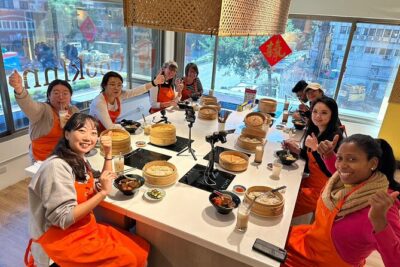
Xiao Long Bao, Beef Noodles & Boba Tea Cooking Class in Taipei
Read our review →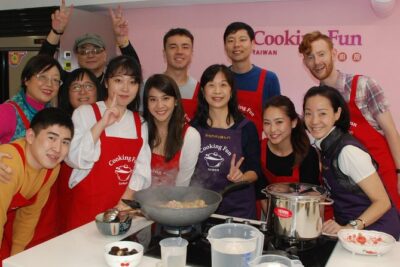
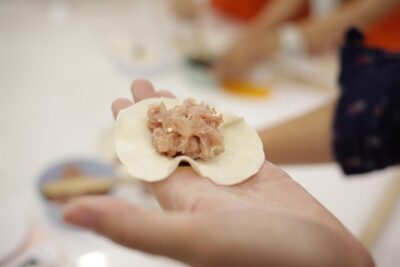
Xiao Long Bao & Boba Tea Cooking Class in Taipei
Read our review →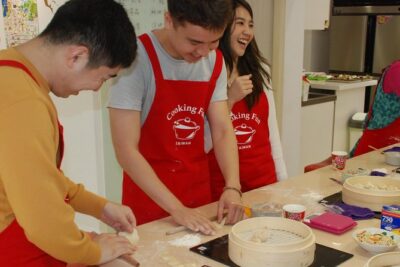
Xiao Long Bao, Pork thick soup, Bubble milk tea. Taiwan Traditional Light Meals Experience-B (Taipei Cooking Class)
Read our review →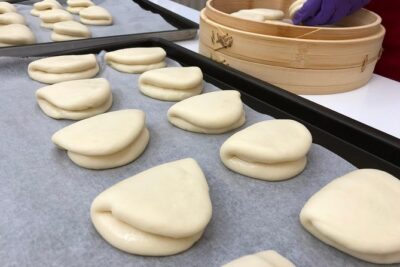
Street Food Cooking Class in Taipei : Gua Bao/Lu Rou Fan/Boba Tea
Read our review →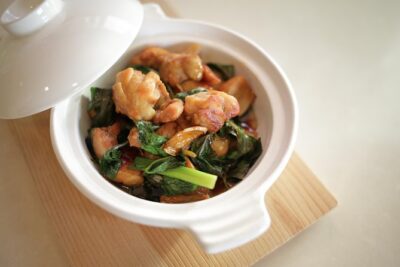
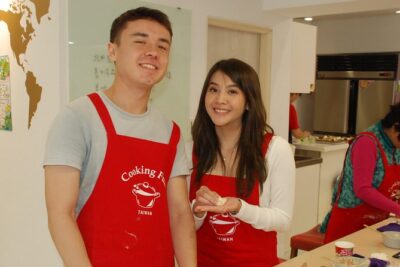
Xiao long bao, Pork thick soup, Bubble milk tea. (Taiwan Cooking Class)-B
Read our review →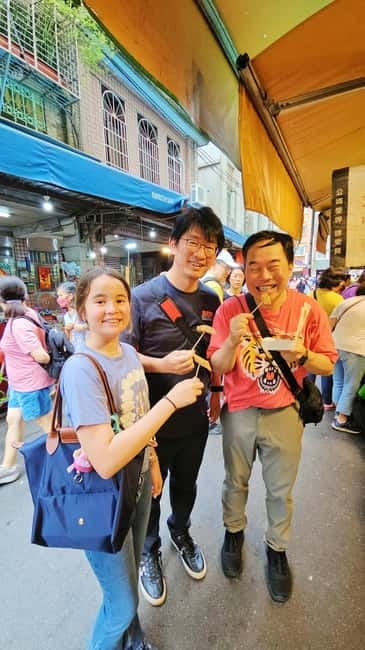
Cooking Class & Market Adventure Historic Dadaocheng
Read our review →Browse the lists this tour appears in