
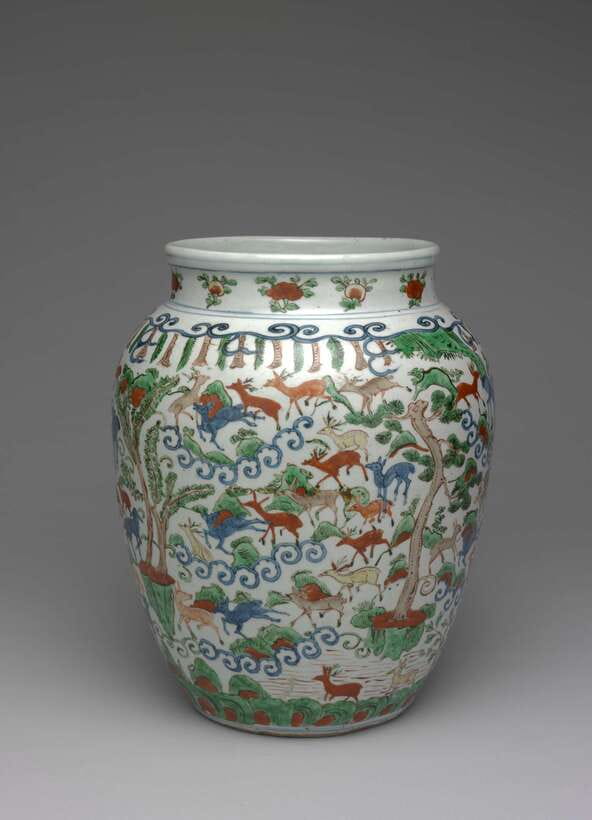
Reviewed · NATIONAL PALACE MUSEUM TOURS
Taipei: National Palace Museum and Taiwan Aborigines Museum
Taipei offers a useful two-museum pairing here: the Shung Ye Museum of Formosan Aborigines introduces Taiwan’s Indigenous peoples, while the nearby National Palace Museum holds one of the world’s great collections of Chinese art. Together, they give you two very different ways to understand Taiwan.
I like this experience for two clear reasons. First, the $15 price covers both museums, which is strong value if you have a full day. Second, the museums complement each other well: one focuses on Taiwan’s original cultures, clothing, festivals, beliefs, and daily life, while the other traces about 5,000 years of Chinese art and culture.
The main consideration is pace. The National Palace Museum is huge, with more than 700,000 objects, while the Shung Ye Museum is much smaller. You will need to make your own plan, and the National Palace Museum ticket does not include an audio guide.
Key points to know before you go
- Redeem both tickets at Shung Ye first: You must begin at the Shung Ye Museum of Formosan Aborigines before entering the National Palace Museum.
- The two museums are next door: A short walk connects the smaller Indigenous museum with the much larger Palace Museum.
- Allow most of a day: The National Palace Museum alone can take three or four hours, especially if you want to see more than its best-known objects.
- The famous jadeite cabbage is only one highlight: The Palace Museum also holds calligraphy, ceramics, paintings, and objects from across 5,000 years of Chinese culture.
- Audio commentary is optional: An audio guide is available for Shung Ye if you select that option, but it is not included for the National Palace Museum.
- Bring identification and leave cameras behind: You need a passport or ID card, and cameras and filming equipment are not allowed inside.
Start at Shung Ye Museum of Formosan Aborigines
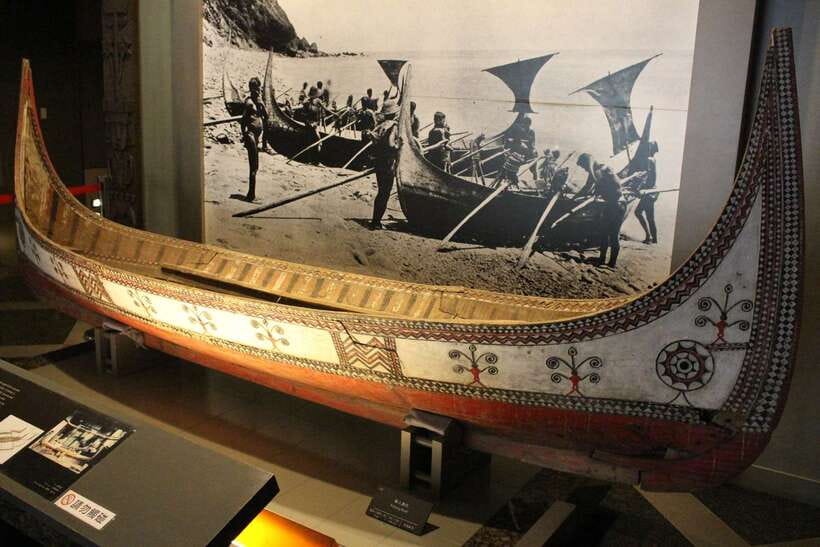
Your day begins at the Shung Ye Museum of Formosan Aborigines on Zhi Shan Road in Taipei’s Shilin District. This is not just a ticket collection point. It is a worthwhile first stop that gives Taiwan’s Indigenous peoples their own place in your day rather than treating their cultures as a footnote to Chinese art.
The museum presents information about Taiwan’s Indigenous tribes, including their ways of life, clothing, festivals, religions, and cultural traditions. The displays help you see Taiwan through a local lens before you move on to the much larger collection at the National Palace Museum.
The museum is smaller than the Palace Museum, and that is part of its appeal. You can take in its main themes without feeling buried under hundreds of rooms and thousands of objects. If you select the audio guide, lively commentary can add useful background as you move through the exhibits.
Set aside time for the auditorium films, too. They focus on the present conditions of Indigenous people in Taiwan, giving the museum a modern purpose. This matters because the visit is not only about traditional clothing and old customs. It also points toward the ongoing place of Indigenous communities in the country today.
One limitation is that the museum does not offer the same scale as the National Palace Museum. If you expect a large institution with hours of galleries, you may finish sooner than planned. I would treat it as an essential introduction, then use the extra time for the Palace Museum.
More national palace museum tours in Taipei:
- Taipei: National Palace Museum E-Ticket
★ 4.4 · 273 reviews - Taipei City Morning Tour with National Palace Museum entry
★ 4.0 · 232 reviews - Taipei: Morning City Tour with National Palace Museum Entry
★ 4.6 · 173 reviews
Why this first stop changes the rest of the day
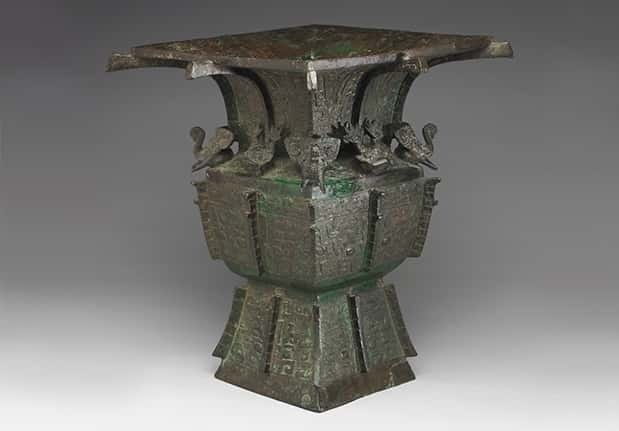
The order of the museums is practical, but it also makes sense culturally. Starting with Taiwan’s Indigenous peoples gives you a stronger understanding of the island as a place with its own communities, identities, and traditions.
Then you move to the National Palace Museum, whose collection mainly reflects Chinese imperial and artistic traditions. That second visit becomes more interesting when you have already considered the many cultures that shaped Taiwan.
I would not rush through Shung Ye simply because the National Palace Museum is the bigger attraction. The Indigenous museum offers a different kind of value. Its displays concern real communities and living traditions, while the Palace Museum is built around an enormous collection of historical objects.
Walking to the National Palace Museum
After Shung Ye, you can make the short walk to the adjacent National Palace Museum. This simple connection is one of the best features of the package. You do not need to arrange a second journey across Taipei or spend more money on transport between the museums.
The National Palace Museum is open from 8:30 a.m. to 6:30 p.m. Tuesday through Sunday. On Fridays and Saturdays, it stays open until 9 p.m. Shung Ye opens from 9 a.m. to 5 p.m. Tuesday through Sunday.
Those hours give you some flexibility, but remember that Shung Ye closes earlier. If you want the full experience, begin there in the morning. A late start could leave you with too little time for the Indigenous museum before its 5 p.m. closing time.
Both museums are closed on Mondays according to the supplied opening hours. Check the current schedule before setting out, since museum hours can change.
Facing 700,000 pieces at the Palace Museum
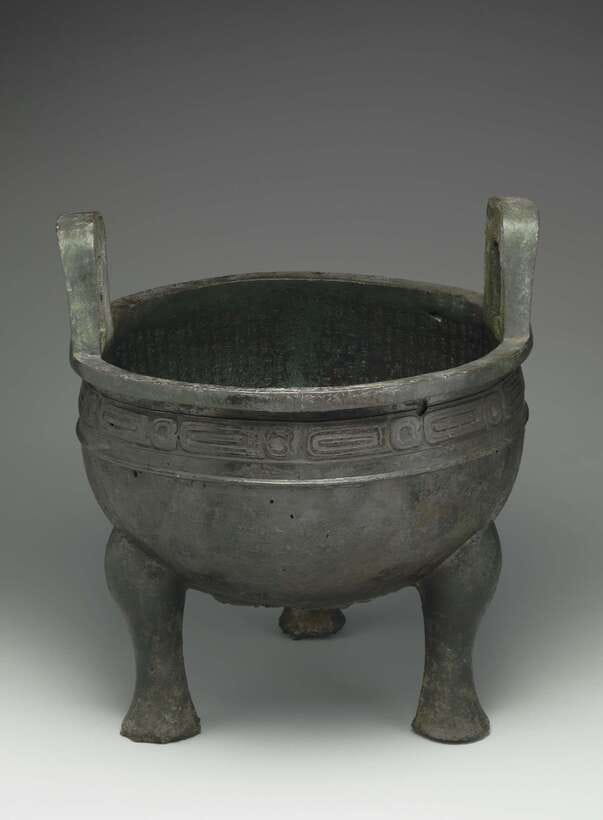
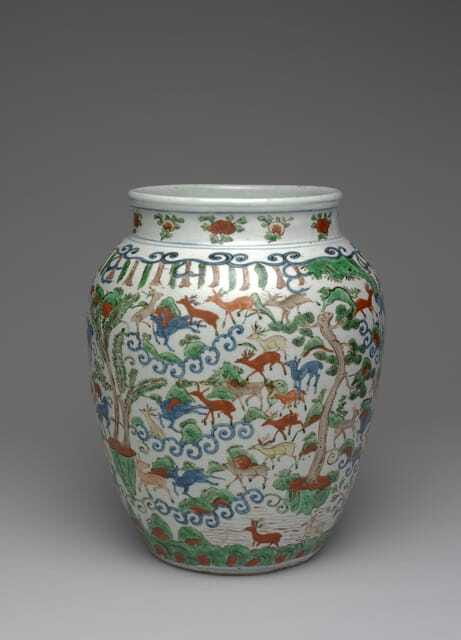
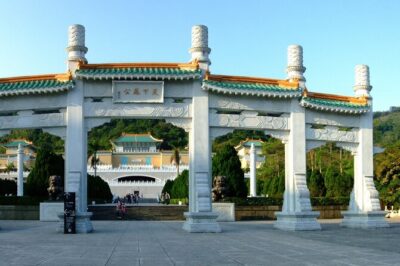
The National Palace Museum is the main event for most people. Its collection includes more than 700,000 pieces of Chinese art, with calligraphy, ceramics, paintings, and objects connected to about 5,000 years of Chinese culture and daily life.
That number sounds impressive, but it also presents a problem: you cannot see everything in one visit. The best approach is to accept that from the start. You are not completing the museum. You are choosing a useful sample.
I recommend allowing at least three or four hours if you want more than a quick look. One visitor who had been there decades earlier found that the longer visit made a major difference. That is good advice. Give yourself time to stop, read, compare objects, and return to galleries that catch your attention.
The museum’s collection also helps explain how Chinese culture influenced Taiwan. The displays cover changing styles and uses across long periods, so you can see more than isolated masterpieces. Calligraphy, ceramics, and paintings each offer a different view of artistic taste, social life, and historical change.
The drawback is that a large collection can feel like work. This is a historical museum, not a light entertainment stop. If you prefer interactive attractions or short visits, the sheer amount of material may be tiring. If you enjoy art, objects, and long stretches of history, the scale is the reason to come.
A few more Taipei trips to weigh up
- Taipei: National Palace & Shung Ye Aborigines Museums Ticket
★ 4.6 · 16 reviews - Taipei National Palace Museum Guided Tour
★ 4.5 · 9 reviews - From Taipei: Thousand-Island Lake & Tea Museum Private Tour
★ 4.7 · 5 reviews - National Palace Museum Northern Branch Taiwan Admission
★ 4.5 · 3 reviews
Finding the jadeite cabbage and other famous objects
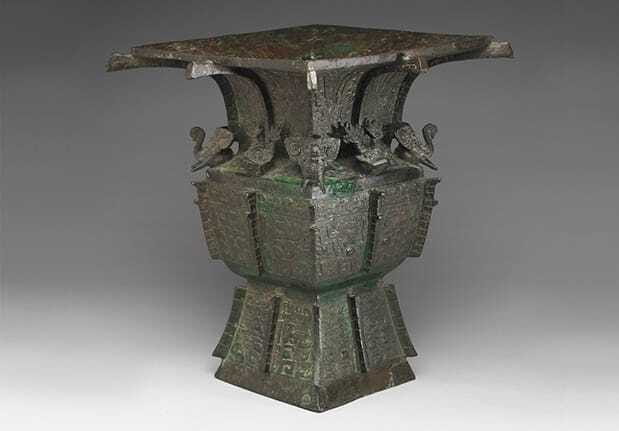
The jadeite cabbage carving is the object most people know before arriving. Its fame can create high expectations, but it is best understood as one small piece within a much larger collection.
Use it as an anchor rather than the sole reason for your visit. After seeing the cabbage, give yourself time for the ceramics, paintings, and calligraphy. The collection changes how you think about the object because you see it alongside other examples of Chinese craftsmanship and taste.
One practical point: do not assume every famous object will be on display in the same place or at the same time. The provided information confirms the jadeite cabbage as a well-known highlight, but museum displays can change. Check the current gallery information when you arrive.
The collection is especially useful if you have also visited museums in mainland China. One visitor with an earlier visit to Beijing’s Forbidden City found the Palace Museum memorable because the objects and presentation felt unlike what you see there. You should not expect it to duplicate the Forbidden City. It offers a different collection and a different museum experience.
How to use the audio guide
The audio guide applies to the Shung Ye Museum only, and only if you choose that option when booking. It is not included for the National Palace Museum.
That distinction matters. If you rely on audio commentary to explain every display, you will need to plan accordingly. At Shung Ye, the guide can help explain the clothing, customs, festivals, religious beliefs, and social background behind the objects.
At the Palace Museum, you will need to use the available written information and your own pacing. The supplied details do not identify a guide by name or confirm a Palace Museum audio guide. Do not book this as a guided tour with a live expert. It is a self-guided museum day.
I like the freedom of that arrangement. You can spend longer in ceramics if that is what interests you, or move quickly through sections that feel less relevant. Families and independent-minded visitors may prefer this over a fixed group schedule.
Getting there from central Taipei
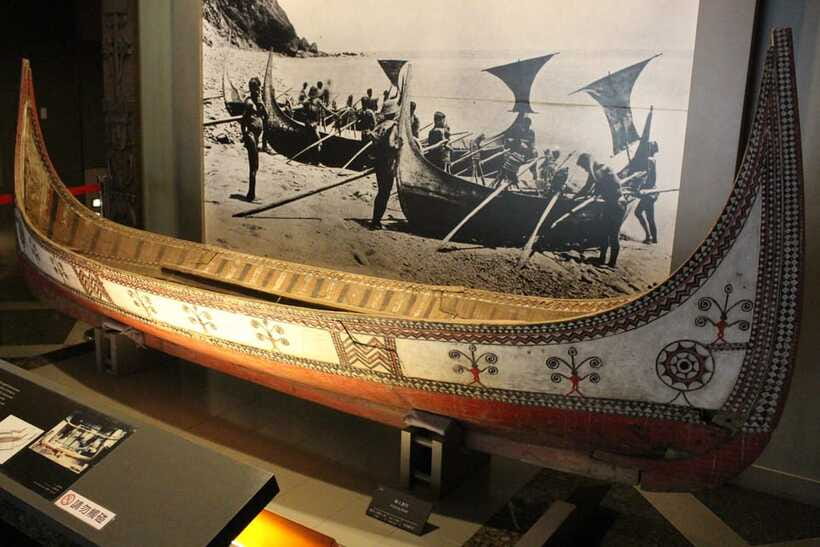
The meeting point is Shung Ye Museum of Formosan Aborigines, No. 282, Section 2, Zhi Shan Road, Shilin District, Taipei City.
From Exit 1 of Shilin MRT Station on the red line, take bus 255, S18, or S19. Get off at Wesley Girls High School, written in Chinese as 衛理女中.
You should have the address and stop name ready on your phone. The ticket redemption takes place at Shung Ye, so do not go directly to the National Palace Museum expecting to collect both admissions there.
The package is wheelchair accessible. You must bring a passport or ID card, and the museum rules prohibit cameras and flash photography. Filming equipment must be left in onsite lockers, which cost around TWD20 each. The information also lists cameras as not allowed, so pack light and avoid bringing equipment you cannot use.
Is $15 good value for a full day?
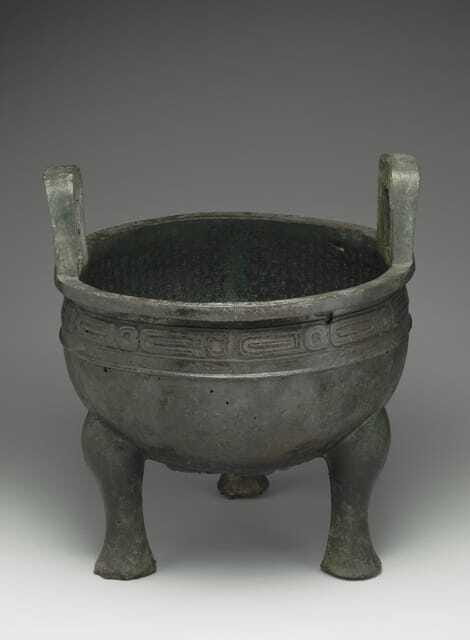
At $15 per person, admission to two museums is a good deal if you plan to spend several hours at the National Palace Museum. The Palace Museum alone can occupy half a day, and the added Shung Ye visit gives you another subject without requiring a separate booking.
The value is strongest for people who enjoy museums and want control over their time. You can see the Indigenous museum at a measured pace, walk next door, and then build your own Palace Museum route.
The value is weaker if you only want to see the jadeite cabbage and leave. In that case, the second museum and the rest of the Palace Museum collection may feel like more than you need. The package is designed for a full cultural day, not a quick photo stop.
Free entry is available for children under 7. The booking also allows cancellation up to 24 hours in advance for a full refund, and you can reserve now and pay later. Those terms give you some flexibility, but they do not change the need to check opening days and current hours.
Who should book this museum pairing?
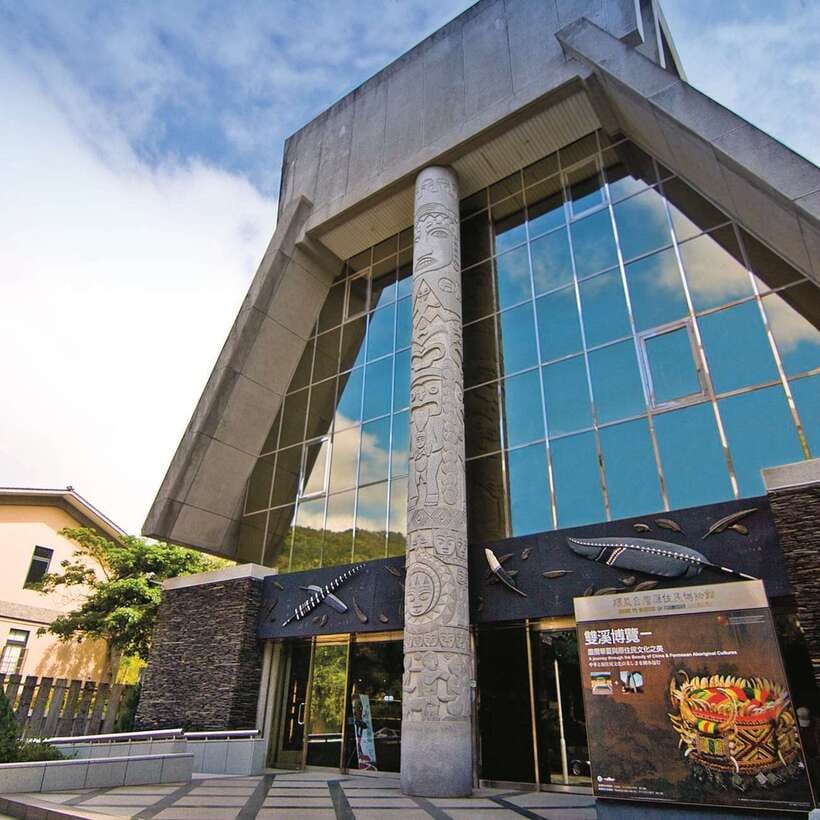
I would recommend it to you if you want a broad introduction to Taiwan through two different cultural subjects. It works particularly well for first-time visitors who want one organized museum day without joining a group tour.
It also suits art lovers who can spend several hours with ceramics, paintings, calligraphy, and historical objects. The National Palace Museum rewards patience. The famous pieces are useful entry points, but the wider collection is where the visit gains weight.
Families with older children may also find the contrast helpful. Shung Ye’s clothing, festivals, and films can provide a more direct introduction to Taiwan, while the Palace Museum offers a large selection of visual objects.
I would think twice if you dislike historical museums or prefer a guide to lead you through every room. There is no live guide listed, and the Palace Museum audio guide is not included. You need to choose your own route and accept that you will see only part of the collection.
Should you book this experience?
Book it if you can spare a full day and want serious cultural value for a modest price. The strongest plan is to arrive at Shung Ye soon after it opens, use the audio guide if you want added context, watch one of the films, and then spend the afternoon at the National Palace Museum.
Do not book it expecting a quick two-attraction package. The National Palace Museum is enormous, and the Indigenous museum deserves more than a rushed ticket pickup. Bring identification, leave cameras and filming gear at home, and decide in advance which parts of Chinese art interest you most.
For an independent museum day that connects Taiwan’s Indigenous cultures with a vast collection of Chinese art, this is a smart and affordable choice.
FAQ
Where do I redeem the tickets?
You must redeem both museum tickets at the Shung Ye Museum of Formosan Aborigines before visiting the National Palace Museum.
How do I reach the Shung Ye Museum by public transport?
From Exit 1 of Shilin MRT Station on Taipei’s red line, take bus 255, S18, or S19. Get off at Wesley Girls High School, or 衛理女中.
How long is the experience valid?
The tickets are valid for one day. Check availability for the available starting times.
Is the audio guide included?
An audio guide for the Shung Ye Museum is included only if you select that option. An audio guide for the National Palace Museum is not included.
What are the museum opening hours?
Shung Ye is open from 9 a.m. to 5 p.m. Tuesday through Sunday. The National Palace Museum is open from 8:30 a.m. to 6:30 p.m. Tuesday through Sunday, with hours extended to 9 p.m. on Fridays and Saturdays.
Is the experience wheelchair accessible?
Yes, the experience is listed as wheelchair accessible.
What should I bring?
Bring your passport or ID card. Cameras and flash photography are not allowed.
Can I bring filming equipment?
Filming equipment must be stored in onsite lockers. The lockers cost around TWD20 each.
Just added around Taipei
- Vintage Taipei – Best of Taiwan and Sunset Walking Tour★ 5.0 · 4 reviews
- Private Yangmingshan National Park Hiking Day Tour from Taipei★ 5.0 · 5 reviews
- Yilan 1-Day Private Tour to Kavalan Whisky & Cultural Gems★ 4.5 · 3 reviews
- Best of Taiwan 9 Days Tour★ 3.5 · 3 reviews
- Xiao Long Bao, Chicken vermicelli with mushroom and sesame oil, Tofu strips salad, Bubble milk tea. Taiwan Traditional Delicacies Experience-A (Taipei Cooking Class)★ 5.0 · 8 reviews
- Keelung Shore Excursion: Private 6H Natural Wonder & Seafood Tour★ 5.0 · 3 reviews
- Xiao Long Bao, Chicken vermicelli with mushroom and sesame oil, Tofu strips salad, Bubble milk tea. Taiwan Traditional Delicacies Experience-A (Taipei Cooking Class)★ 5.0 · 5 reviews
- Two-day Sun Moon Lake & Alishan Forest Park Tour Package★ 4.0 · 5 reviews
National Palace Museum Tours, compared.
Taipei City Morning Tour with National Palace Museum entry
Read our review →
Morning City Tour with National Palace Museum Entry
Read our review →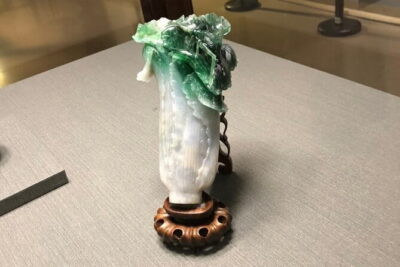
National Palace Museum Northern Branch Taiwan Admission
Read our review →Browse the lists this tour appears in