
Reviewed · TAIWAN
Tainan Culture Trip: Chinese Tea Ceremony_Oolong Tea
Tainan’s TOT House offers something more thoughtful than a quick tea tasting. King guides you through at least four Taiwanese oolongs, showing how the same careful brewing ritual can reveal floral, fruity, roasted, or woody notes. The setting is a private home, so you press the bell at an ordinary-looking front door and enter a calm, personal session rather than a polished tourist show.
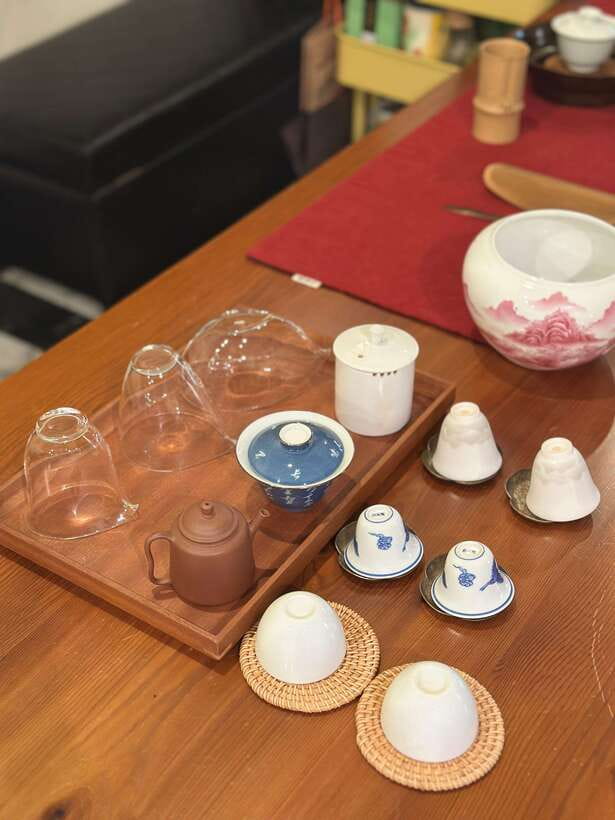
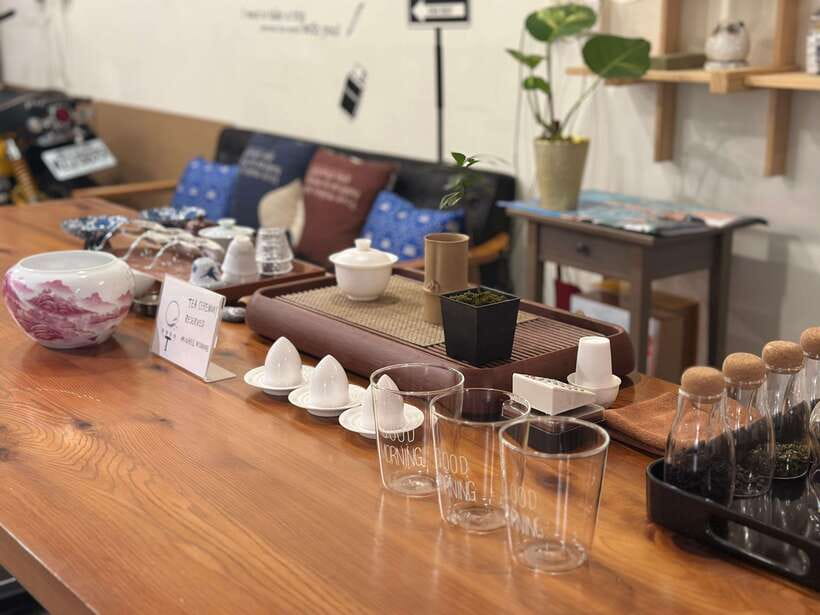
I like the small private format, which gives you room to ask questions and compare teas at your own pace. I also like the attention given to pots, cups, and brewing tools. You will use a gaiwan, terracotta teapots, and at least three styles of tea cups, making this as much a lesson in tea ware as in tea itself.
The main consideration is that this is a quiet, focused activity, not a broad sightseeing tour. Smoking, video recording, and cellphone use are not allowed during the ceremony, and strong perfume can interfere with the tea aromas. The venue is wheelchair accessible, but the experience is listed as unsuitable for people with mobility impairments, so confirm your needs before booking.
Key Points
- Four or more Taiwanese oolongs: Compare teas with different aromas, textures, and levels of roasting.
- King leads the session in English: He explains tea culture, brewing, etiquette, Tainan, and local customs.
- Different brewing methods: See how a gaiwan and terracotta teapots affect the tea-making process.
- At least three cup styles: Shape and texture become part of the tasting, not just decoration.
- A private 90-minute setting: The format suits curious beginners and experienced tea drinkers alike.
- $50 for up to two people: For a couple or two friends, the price offers a personal lesson and tasting rather than a standard group class.
What Happens Behind the Ordinary Front Door
The meeting point is Tainan TOT House, also described as the Taiwan Oolong Tea House. Its front door looks like a normal household entrance. When you arrive, press the bell rather than expecting a storefront with a large sign.
That simple arrival tells you something about the mood of the experience. You are not walking into a busy cafe or a large demonstration room. This is a private appointment with a host who has arranged the tea, vessels, and tasting space for a small group.
The session lasts 90 minutes. That is enough time to taste several teas without turning the experience into an all-day class. You will need to arrange your own transportation to and from the house, and no meal is included. Plan this as a focused cultural stop, perhaps before or after visiting Tainan’s temples and historic streets.
King conducts the ceremony in English. His approach combines tea instruction with conversation about Taiwan and Tainan. Previous sessions have also included discussion of calligraphy, pottery, local food, nearby temples, and places to buy tea, though these extra topics can vary with your questions and the available time.
Other Taiwan days people book alongside this one:
- From Taipei: Shifen, Jiufen, and Yehliu Guided Day Trip
★ 4.6 · 1,654 reviews - Full-Day Private Custom Taipei City Tour
★ 5.0 · 911 reviews - From Taipei: Yehliu, Jiufen, and Pingxi Day Tour
★ 4.7 · 892 reviews
The First Pour: Chinese Tea in Its Cultural Setting
The opening part explains where tea comes from, how the main tea types differ, and why oolong has its own character. You will learn that tea is not simply a hot drink here. It has a place in daily routines, social customs, traditional medicine, and formal acts of welcome.
The value of this introduction is that it gives the tasting some shape. Without context, four or five teas can blur together. With a basic understanding of processing and style, you can start asking better questions: Is the aroma floral because of the tea itself or the brewing? Does roasting add a woody note? Does the taste change as the leaves open?
Oolong is especially useful for this kind of lesson because it can cover a wide range of flavors. A cup may suggest flowers or fruit, while another can feel toasted, earthy, or woody. The point is not to find one correct description. It is to notice how aroma, body, aftertaste, and texture shift from tea to tea.
King also explains the cultural meaning behind the ceremony. You learn how to accept a cup, how to show thanks, and how to behave during the ritual. These manners are simple, but they help you take part with confidence rather than wondering when to reach for the cup.
Four Oolongs, Several Ways to Taste Them
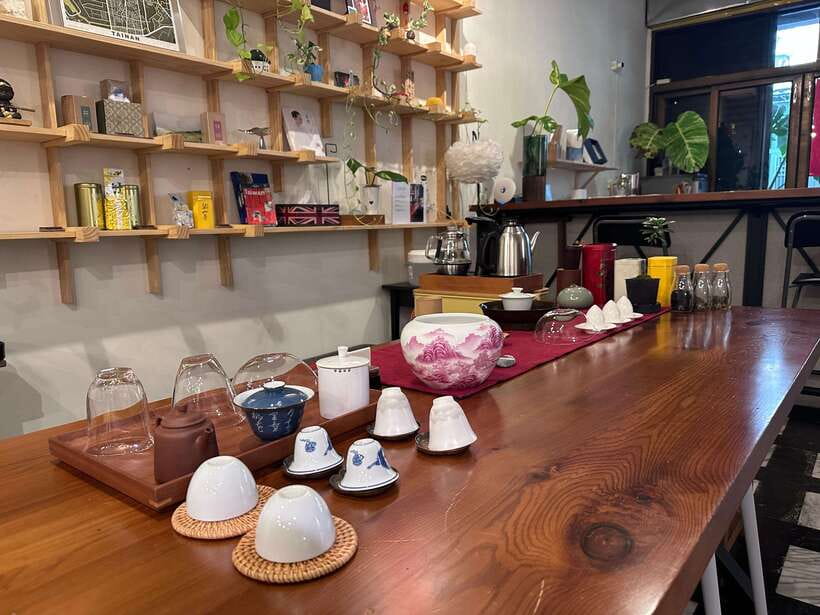
The tasting includes at least four kinds of oolong tea. Some sessions have included five Taiwanese oolongs, giving you a wider comparison. The exact selection can vary, so you should think of the number as a minimum rather than a fixed menu.
Tea is served in repeated infusions, allowing you to notice how the flavor develops. The first pour may offer a bright aroma, while later pours can become softer, rounder, or more savory. This slow change is one reason the ceremony takes its time. You are not simply sampling four drinks and moving on.
I find this especially useful if you normally judge tea by strength alone. A carefully brewed oolong need not be dark or bitter to be full of flavor. You might notice a scent before the liquid reaches your mouth, then find a different quality in the aftertaste.
King encourages discussion about flavor and feel. You can ask about the tea’s origin, processing, brewing method, or the best way to recreate the experience at home. Beginners do not need special vocabulary. If you can say that one tea feels lighter, toastier, smoother, or more floral, you already have enough to start comparing.
Tea drinkers with more experience will have room to ask detailed questions. The session is adapted for different levels, and the private format means you do not have to hold back while a large group waits.
Gaiwan, Terracotta Pots, and the Art of the Tools
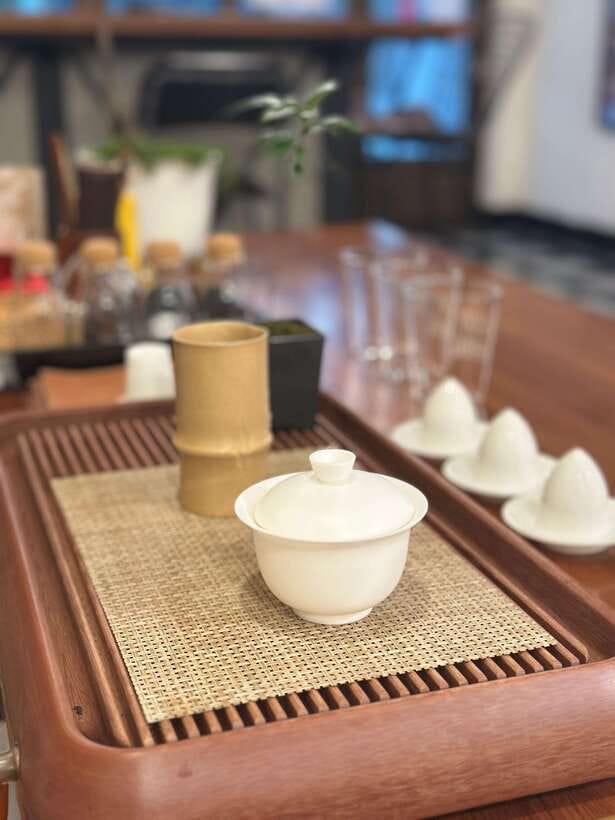
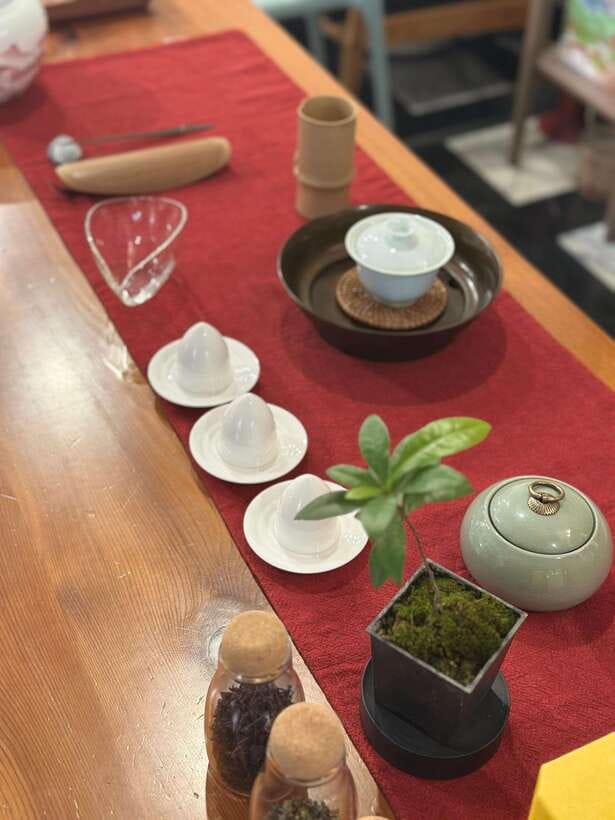
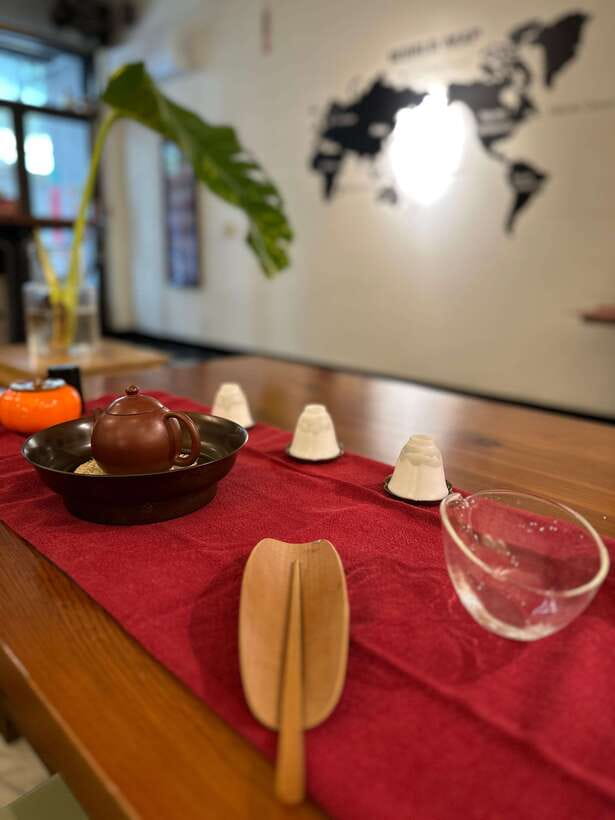
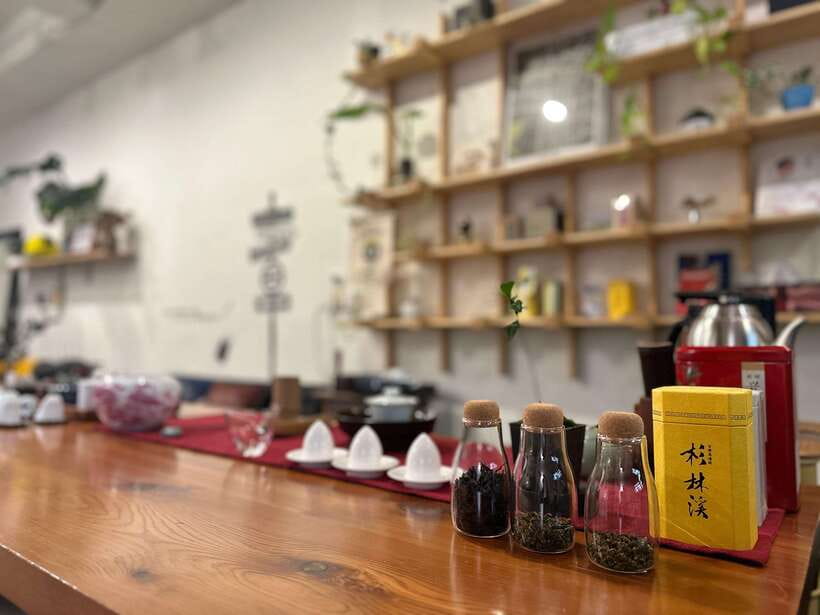
The utensils are not treated as background decoration. You will have a chance to appreciate a gaiwan, terracotta teapots, tea trays, and other brewing tools. The gaiwan offers a clear view of the leaves and gives the host precise control over the infusion. The pots bring a different feel and appearance to the process.
At least two brewing utensils are included, specifically a gaiwan and terracotta teapots. Using more than one vessel helps you see that preparation is part of the tea’s character. The tool, amount of leaf, water, timing, and pouring style all affect what reaches the cup.
The tea cups also matter. You will try at least three kinds with different shapes and textures. This may sound like a small detail, but the cup changes how you hold, smell, and sip the tea. A narrow aroma cup, a small tasting cup, and a more tactile ceramic vessel can make the same drink feel different.
The tea tray completes the arrangement. It catches water and gives the ceremony its orderly rhythm. Watching King handle the vessels with care adds a craft lesson to the tasting. One particularly nice feature is that the equipment is used, not merely displayed.
Some sessions have included pottery insights and conversation about ceramics. If that subject interests you, ask about the cups and pots as you go. The experience gives you a chance to look at Taiwanese tea ware as functional art rather than a souvenir-shop purchase.
Same island, a completely different kind of day:
- Taipei: Jiufen Night View and Shifen Day Tour
★ 4.6 · 870 reviews - Taipei: Taipei 101 Observatory Deck Entry Ticket
★ 4.6 · 847 reviews - Full-Day Private Northern Taiwan Tour from Taipei with Pickup
★ 5.0 · 782 reviews - The Award-Winning Private Food Tour of Taipei: The 10 Tastings
★ 5.0 · 716 reviews
Learning the Pace and Courtesy of the Ceremony
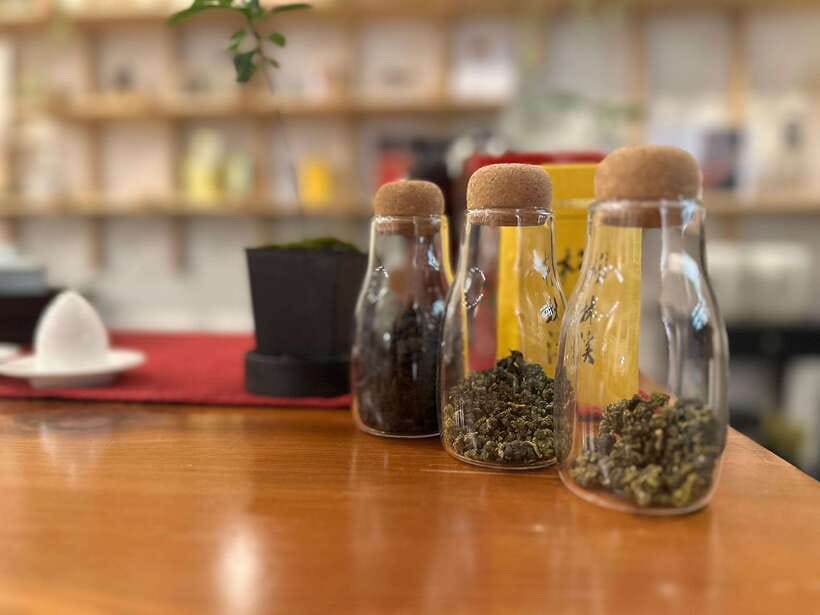
A Chinese tea ceremony asks you to slow down. The host handles the preparation in a measured way, and you pay attention to small actions that might otherwise pass unnoticed. The calm is not forced, but the rules do encourage you to put your phone away and focus on the cup in front of you.
You will learn traditional courtesies, including how to receive tea and show gratitude. These details matter if you later visit a tea house or are served tea in a Taiwanese home. You are not being tested on formal behavior. The lesson simply helps you understand what the gestures mean.
No cellphone use or video shooting is allowed during the ceremony. Smoking is also prohibited, and you should avoid strong perfume. That last point is practical rather than fussy. Fragrance can cover the delicate smell of oolong, which is one of the main pleasures of the tasting.
The no-recording rule may disappoint anyone hoping to film the pouring technique. Still, it protects the quiet mood and keeps attention on the ceremony. Take mental notes, ask questions, and write down tea names afterward if you want to shop for them later.
A Personal Lesson Rather Than a Stage Show
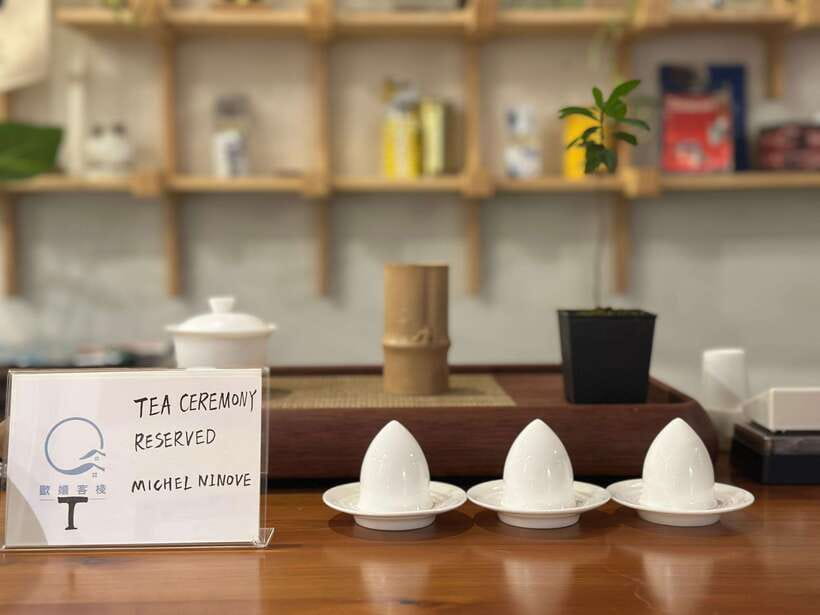
The strongest feature here is the host. King is warm, funny, patient, and very comfortable explaining tea in English. He answers questions clearly and can shift the conversation to Taiwan, Tainan, local food, or customs when that helps you understand the setting.
That makes the session feel personal without requiring you to know anything about tea in advance. You can arrive as a complete beginner, while someone who already collects tea can ask about brewing technique and flavor differences.
The private group format is important. The price is $50 per group of up to two people, rather than $50 per person. For two friends or a couple, that works out to $25 each for 90 minutes of guided tasting and cultural instruction. For one person, it is a less obvious bargain, but the one-on-one attention may justify the cost if tea is a major interest.
This is not the right purchase if you only want a fast cup between sightseeing stops. It is a better fit if you value conversation, careful preparation, and the chance to ask as many questions as you like.
King has also been flexible with timing when a visitor needed to catch a train from Tainan to Taipei. Do not assume every change is possible, but it is sensible to contact him after booking if your schedule is tight. You are asked to send a WhatsApp message or email to [email protected] after placing the reservation.
The Tainan Connection
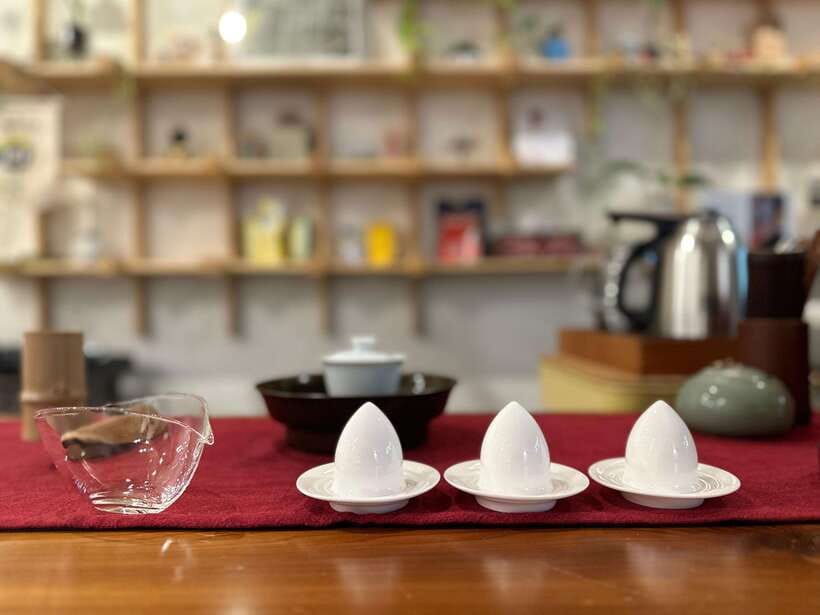
Tea is the main subject, but the session can also help you understand Tainan. King has offered suggestions for food and sightseeing, and one session included a walk to nearby temples with explanations of places that might otherwise have been passed without notice.
These extras are not listed as a guaranteed part of the 90-minute ceremony, so do not book it as a temple tour. Think of them as the sort of local conversation that can improve the rest of your stay.
The tea house works well as a cultural counterpoint to Tainan’s food and temples. After a morning of crowded streets and strong flavors, a quiet tea session gives you a different view of the city. It focuses on patience, craft, and social customs rather than sightseeing by checklist.
If you are visiting Tainan for only a day, the activity can still fit. One visitor used it as part of a short trip and received suggestions for seeing the city before catching a train. You should allow time for your own transport, since getting to and from the house is not included.
Who Will Get the Most From This Experience?
I would recommend this to:
- First-time tea drinkers who want a friendly introduction.
- Experienced tea fans who enjoy comparing Taiwanese oolongs.
- Couples or two friends who want a private cultural activity.
- Visitors interested in ceramics, brewing tools, and traditional manners.
- People who prefer conversation and local context to a large organized tour.
- Anyone looking for a calm break from Tainan’s food-focused sightseeing.
It is not suitable for children under five. The session also may not fit people with mobility impairments, despite the venue being identified as wheelchair accessible. Contact the provider before booking if accessibility affects your plans.
The no-phone rule makes it less suitable for anyone who wants to document every step. It is also not a meal, so arrive expecting tea and instruction, not snacks or lunch.
Booking Value, Timing, and Flexibility
At $50 for up to two people, the price is fair for a private session with multiple teas and hands-on attention to brewing equipment. You are paying for more than the liquid in the cups. The fee covers the host’s preparation, the tea selection, repeated infusions, explanations in English, and access to a range of tea ware.
The value is strongest when two people share the booking. You can compare impressions as you taste, and the private format lets both of you ask questions. Solo visitors still get the same 90-minute structure, but the per-person cost is higher.
Starting times vary, so check availability when booking. You can reserve now and pay later, and cancellation is free up to 24 hours before the activity for a full refund. Those terms help if your Tainan plans depend on train times or changing weather.
Book directly with enough time to send King the requested WhatsApp message or email after reserving. Wear a comfortable scent-free outfit, leave your phone put away, and arrive ready to sit quietly for a while.
Should You Book the Tainan Oolong Ceremony?
Book it if you want to understand why Taiwanese tea has so many shades of flavor, or if you enjoy learning through conversation rather than watching a fixed performance. King’s warmth, clear English, and care with the tea ware make the experience approachable, while the range of oolongs gives serious tea drinkers enough detail to enjoy.
Skip it if you want a meal, a broad city tour, or a casual drop-in tasting with no rules. The ceremony asks for attention, no recording, and a little patience. For two people who want a calm and genuinely local-feeling activity in Tainan, the $50 private booking is a strong value.
FAQ
Where does the tea ceremony take place?
It takes place at the TOT House, also called the Taiwan Oolong Tea House, in southern Taiwan. The front door looks like a normal household entrance, so press the bell when you arrive.
How long does the ceremony last?
The ceremony lasts 90 minutes. Starting times vary, so check availability when booking.
How many people can join?
The activity is a private group for up to two people.
What language is used during the ceremony?
The ceremony is conducted in English, and English is the listed instruction language.
How many teas will I taste?
You will taste at least four kinds of oolong tea. Some sessions may include five Taiwanese oolongs.
What tea equipment will I see and use?
The experience includes a gaiwan, terracotta teapots, tea trays, and other brewing tools. You will also try at least three kinds of tea cups with different shapes and textures.
Is transportation or food included?
Transportation to and from the venue is not included. Meals are also not included.
What should I know before arriving?
Avoid strong perfume, and do not use a cellphone or record video during the ceremony. Smoking is not allowed. Children under five and people with mobility impairments are not suitable for this activity.
Just added around Taiwan
- Taipei: 8 Hours Private Day Tour in Wulai with Benz Vito★ 4.4 · 5 reviews
- Yi-Hsin creek canyoning in northern Taiwan★ 5.0 · 6 reviews
- Vintage Taipei – Best of Taiwan and Sunset Walking Tour★ 5.0 · 4 reviews
- Alishan Day Tour from Chiayi (Incl. Park Entrance)★ 5.0 · 10 reviews
- Keelung Shore Excursion: Xiangshan Hiking & Classic Taipei Culture Private Tour★ 5.0 · 9 reviews
- Private Yangmingshan National Park Hiking Day Tour from Taipei★ 5.0 · 5 reviews
- Yilan 1-Day Private Tour to Kavalan Whisky & Cultural Gems★ 4.5 · 3 reviews
- Xiao Long Bao, Chicken vermicelli with mushroom and sesame oil, Tofu strips salad, Bubble milk tea. Taiwan Traditional Delicacies Experience-A (Taipei Cooking Class)★ 5.0 · 8 reviews