
Reviewed · KAOHSIUNG TOURS
Kenting, Taiwan|PADI Basic Diving License Course|Taiwan Diving Open Water Course
Kenting is a fine place to learn scuba, and this three-day PADI course gives you more than a quick taste of the sport. You start with careful pool-style practice, then move into the sea for four training sessions, reaching no deeper than 18 meters while you build the skills needed for independent recreational scuba.
I like the small 1:3 coach-to-student ratio, especially for anyone who feels uneasy in the water. I also like that the price includes scuba equipment, insurance, lunch, a computer watch, and underwater photos. The main consideration is time: three full days is a real commitment, and the course can be changed or canceled by weather.
Key points at a glance
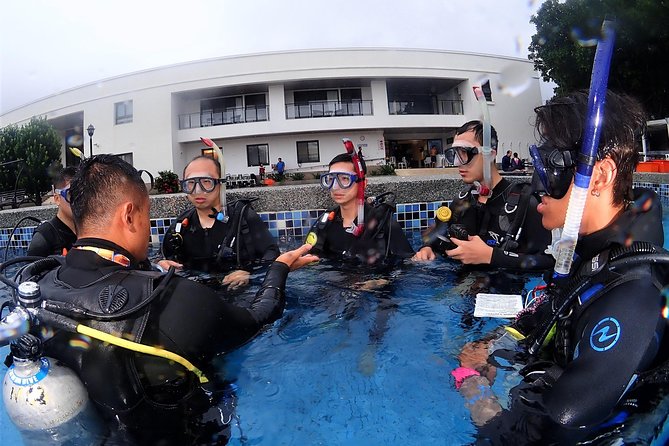
- Three days from registration to certificate: You complete paperwork and equipment setup on day one, sea training on days two and three, and receive a wall certificate at the end.
- Small groups of three students per coach: This allows more direct help with breathing, buoyancy, and safety skills.
- English instruction available: The entire course can be arranged in English, useful for international students.
- Suunto ZOOP computer watches included: You use a computer throughout training rather than learning with theory alone.
- Four sea training sessions in Kenting National Park: The course moves from confined water work to real conditions in the sea.
- Lunch, insurance, gear, and photos included: The $83 price covers several extras that can otherwise add to the cost of a beginner course.
Learning scuba in Kenting, one careful step at a time
This is a beginner-level PADI Open Water course, the standard entry certificate recognized by dive centers around the world. Once you complete it, you can rent scuba equipment and tanks, or hire a guide for recreational underwater trips in many destinations.
That certificate is useful, but it is not a claim that you are instantly an expert. Your training depth is limited to 18 meters. After certification, the recommended recreational limit is 40 meters, but regular practice matters more than simply holding the card. If you do not use the skills for a long time, you should expect to rebuild confidence before attempting harder sites.
The course is based at Taiwan Dive Center in Hengchun, near Kenting National Park. The listed location is No. 55-60 Daguang Road, Hengchun Township, Pingtung County, even though the tour information labels the broader location as Kaohsiung, Taiwan. For planning, use Hengchun and southern Pingtung as your reference point, not central Kaohsiung.
The first meeting time is listed as 8:00 a.m., while the daily program begins at 8:30 a.m. Confirm the exact arrival time with the center before setting out. This is a practical point, since equipment fitting and registration need a calm start.
A few more Kaohsiung trips to weigh up
Day one: equipment, confined water, and the basics
Your first morning begins with the registration form and equipment allocation from 8:30 to 10:00. This is not wasted time. A beginner needs properly fitted gear, and this is when you can tell the coach if a mask feels uncomfortable, a wetsuit is too tight, or something does not sit correctly.
From 10:00 to noon, you work in confined water. After lunch, the same type of training continues from 1:00 to 5:00 p.m. The long first day may sound repetitive, but that repetition is exactly what makes the later sea sessions less stressful.
You will work through the basic actions needed to manage yourself underwater. The supplied information does not list every individual skill, so you should not expect a fixed minute-by-minute lesson plan. The important point is the order: you gain control in a sheltered setting before moving into open water.
The 1:3 teaching ratio is particularly useful here. If you struggle with breathing, buoyancy, clearing your mask, or managing equipment, the coach has time to watch you closely. The center also uses Suunto ZOOP computer watches throughout the course, giving you practical experience with the equipment used to track your underwater profile.
Lunch is included each day. That matters more than it might seem. A full morning in the water can leave you tired and cold, and having a meal on site or as part of the program means you do not have to spend your short break searching for food.
Day two: your first sea sessions
The second day starts at 8:30 a.m. and moves into one or two sea training sessions before lunch. This is the point where the course becomes more than a controlled practice session. You now have to manage your skills in real conditions while listening to instructions and staying aware of your surroundings.
Your coach will watch your comfort and technique. The course material stresses careful observation of each student at sea, which is the right priority for a first certification. A beginner should never feel pushed to prove anything. If you need a slower pace, say so early.
After lunch, from 1:30 to 5:00 p.m., the group discusses scuba skills. This classroom or review time helps connect the morning’s experience with the rules and habits you need for future outings. It also gives you a chance to ask about anything that felt confusing in the water.
The center provides a buoyancy bag during the Open Water program. This is a useful piece of equipment because it helps with signaling and makes underwater travel more manageable. You are not simply being shown equipment in a classroom. You are learning with a computer watch and buoyancy tools as part of the practical work.
English teaching can be arranged for the full course. That is worth confirming when booking, rather than assuming that only some instructions will be translated. Clear communication is a safety issue, not just a convenience.
Day three: four sea sessions and the final check
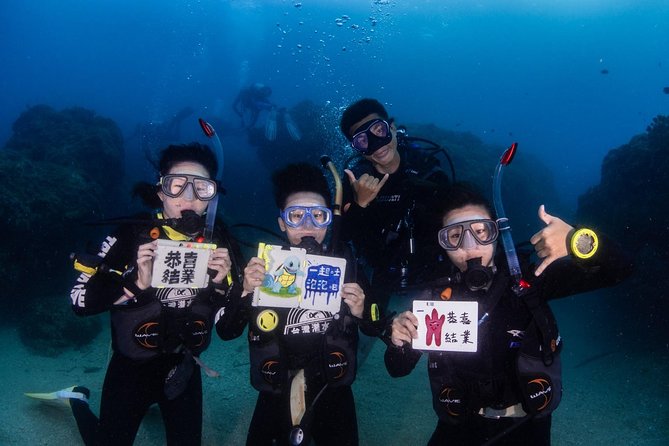
The final day begins at 8:30 a.m. with the third and fourth sea training sessions, scheduled between 8:30 and noon. These sessions complete the practical requirements for the open-water certificate.
By this stage, you should have had time to adjust to breathing through the regulator, moving with your equipment, and using the basic techniques introduced on day one. You will still be learning, of course. Certification shows that you have reached the course standard, not that every future sea condition will feel easy.
The afternoon returns to skill discussion from 1:30 to 4:00 p.m. The final two hours are set aside for issuing the wall certificate and completing the course. The schedule is subject to actual conditions, so weather, water conditions, or other practical issues may shift the timing.
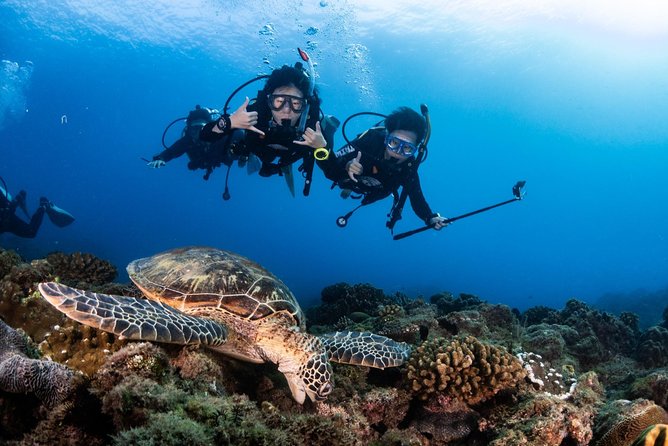
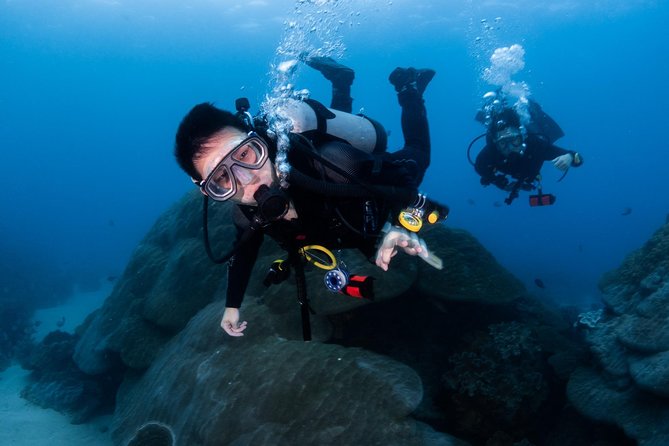
The instructor carries an underwater camera during the fourth Open Water session and takes photographs of your training. This is a pleasant extra, particularly if this is your first time below the surface. Do not treat the photos as the main reason to book, but they give you a record of a milestone that can otherwise be hard to capture.
Same island, a completely different kind of day:
- Private Custom Kaohsiung Day Tour
★ 5.0 · 81 reviews - Kaohsiung Private Tour – Discover Local Hidden Gems
★ 5.0 · 34 reviews - Kaohsiung: Private City Tour with Fo Guang Shan Museum
★ 5.0 · 26 reviews - Private Classic Kaohsiung Day Tour
★ 5.0 · 17 reviews
What the $83 price really covers
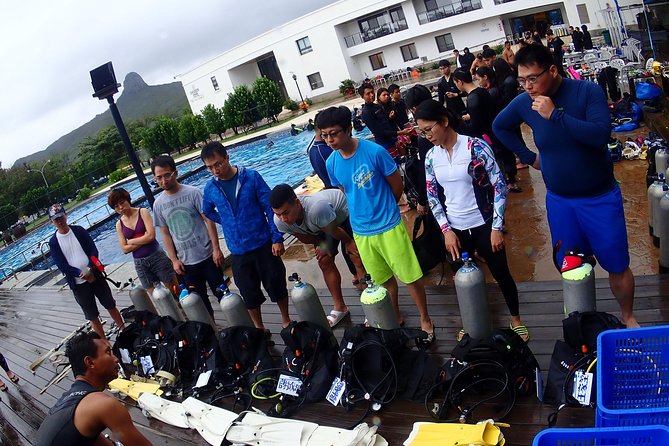
At $83, this course offers solid value if you need a complete beginner package. The price includes:
- Scuba equipment
- Diving insurance
- Lunch during the course
- Suunto ZOOP computer watch use
- Buoyancy bag use
- Underwater photos during the fourth session
- The three-day training program
- Certificate issuance after completion
You still need to arrange your own accommodation. The experience ends back at the meeting point each day, but lodging is not included. The center or nearby accommodation may be useful, though the supplied details do not make lodging part of this specific price.
The included lunch helps keep extra spending down. Equipment rental is another major saving, since beginners who do not own a mask, wetsuit, tank, or other scuba gear would otherwise face a long list of add-on costs.
The price is best understood as a compact certification package, not a single sightseeing outing. If you only want to try scuba for an hour, this is more training than you need. If you want a recognized qualification and plan to continue the sport, the three-day format makes better financial sense.
The instructors and the teaching style
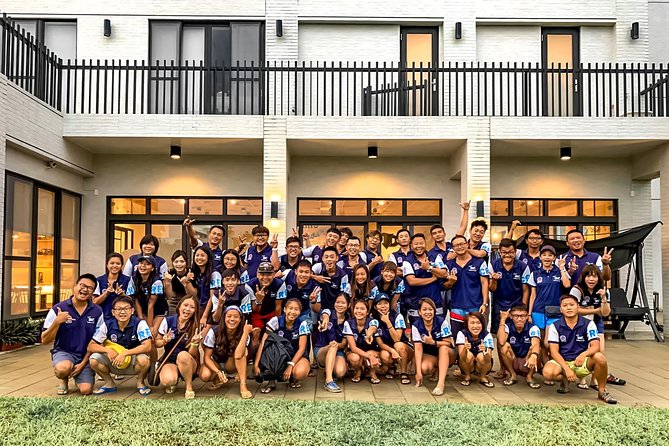
The strongest part of this experience is the teaching setup. A coach-to-student ratio of 1:3 gives you a better chance of receiving personal corrections than a large class would. That is especially important when you are learning buoyancy, since small changes in breathing and body position can make a big difference.
English instruction is available, and several instructors connected with the center are described as fluent in English. Names associated with English-language and beginner instruction include Alan, Paul, Japon, Vincent, Ryan, Caty, Octopus, Hank, and PT. Instructor assignments can change, so you should not book on the assumption that one particular coach will lead your class.
The teaching style is described as patient and careful. That fits the course design: long confined-water practice, supervised sea sessions, and time to discuss skills after each morning in the water. If you learn best by rushing from one activity to the next, this may feel slow. If you want the coach to notice small problems before they become habits, the pace is a strength.
Some accounts also refer to assistance with photographs and even help arranging evening meals, but these are not listed as formal inclusions. Treat them as possible center services, not something guaranteed by the $83 booking.
Kenting National Park and the setting
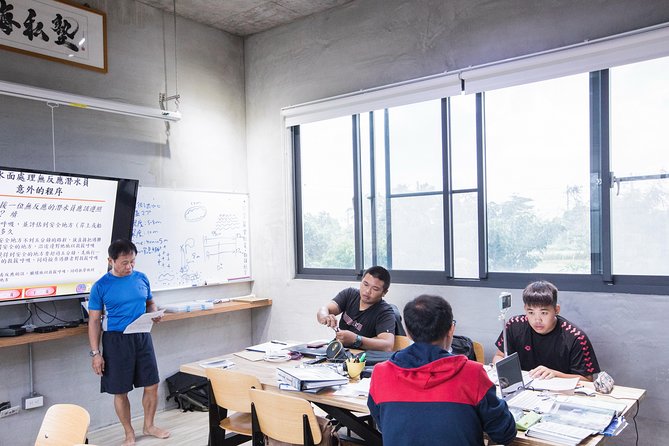
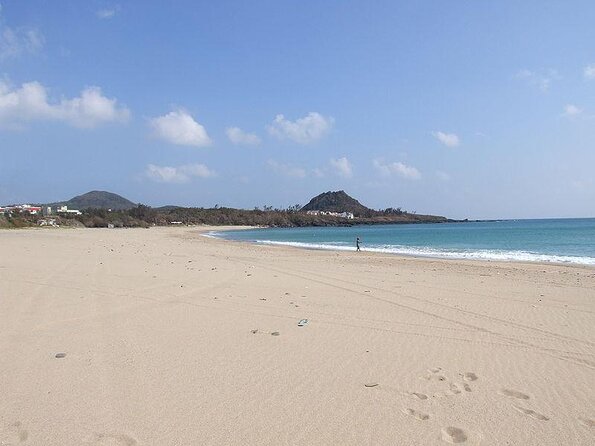
The course takes place in the Kenting area, with the center in Hengchun Township. Kenting National Park gives the program a clear sense of place, but the primary purpose is certification rather than a sightseeing tour with a long list of named underwater attractions.
That distinction matters. You will spend much of your time learning skills, fitting equipment, discussing procedures, and repeating exercises. The sea sessions are the reward, but they are still training sessions.
Kenting is a sensible setting for a first course because the program can move from confined water into the sea over several days. The schedule also leaves room for coaches to discuss conditions and technique instead of sending beginners straight into a demanding session.
Bring a swimsuit and an ID photo. An electronic file is acceptable, and there is no stated size limit for the photo. Pack lightly for the water, but make sure you have the required items before arriving, since missing paperwork can make the first morning more hurried.
Health, age, and safety considerations
You must be at least 10 years old and in good health. The course is suitable for most people, but scuba is not an activity to treat casually if you have a medical condition.
The stated health restrictions include respiratory problems involving the bronchi or chest, diabetes, epilepsy, recent illness or surgery within one month, and ear disease or ear surgery. If any of these apply to you, obtain approval from your doctor before taking the course.
You should also speak with the center about any concern that could affect breathing, equalizing pressure, swimming, or staying calm in the water. The listed information does not provide a full medical screening form, so do not wait until the first morning to raise an important issue.
Weather is another safety factor. The course requires good conditions, and poor weather can lead to a new date or a full refund. In ordinary circumstances, the booking is non-refundable and cannot be changed, so choose your dates carefully. A weather cancellation is treated differently from a personal change of plans.
The maximum group size is listed as 20 people, but the teaching ratio is 1:3. That means the overall center may handle a larger group while your practical instruction remains in a small unit. Confirm the exact class size if that detail is important to you.
Who will get the most from this course
I would choose this course if you want a proper entry certificate rather than a quick introductory session. It suits first-time students who can spare three days, want instruction in English, and appreciate a patient pace.
It is also a good fit if you prefer a course with several practical extras already included. The computer watch, buoyancy bag, insurance, meals, gear, and photographs reduce the number of details you need to organize yourself.
You may want a different plan if your schedule is uncertain. Three days of early starts and water sessions is a commitment, and the non-refundable policy makes last-minute changes costly. You should also think twice if you dislike structured learning, since this experience includes long periods of practice and discussion rather than nonstop sightseeing.
The course can work for friends learning together, too. Several people have completed beginner or advanced training with a companion, and the small class format gives you social support without turning the session into a large-group production.
Practical verdict: book it for certification, not just a photo
I would book this Kenting course if you want to leave Taiwan with a recognized PADI Open Water qualification and the basic skills to continue scuba elsewhere. The strongest reasons are the 1:3 teaching ratio, English instruction, four sea sessions, included gear and insurance, and the careful progression from confined water to the sea.
I would not book it as a casual one-day holiday activity. You will spend three days training, and the certificate requires concentration, physical effort, and a willingness to follow safety procedures.
Before paying, confirm the English arrangement, arrival time, instructor assignment, accommodation plans, and weather procedure. If those details suit you, the $83 price is appealing for a full beginner course with meals, equipment, insurance, a computer watch, and underwater photos.
FAQ
Where does the course meet?
You meet at Taiwan Dive Center, No. 55-60 Daguang Road, Hengchun Township, Pingtung County, Taiwan 946. The course ends back at the meeting point.
How long does the course take?
The course lasts approximately three days. The schedule runs from morning until late afternoon on each day, with the final certificate issued on day three if the program is completed.
Is English instruction available?
Yes. Full English teaching can be arranged for the course. Confirm this requirement when booking.
How deep will I go during training?
The maximum training depth is 18 meters. After certification, the recommended recreational limit is 40 meters, although regular practice is advised to build experience.
What is included in the price?
The price includes scuba equipment, diving insurance, lunch, use of a Suunto ZOOP computer watch, a buoyancy bag, and underwater photographs during the fourth Open Water session.
What should I bring?
Bring your own swimsuit and an ID photo. The photo can be supplied as an electronic file, and no specific size limit is given.
Can anyone take the course?
Participants must be at least 10 years old and in good health. Anyone with respiratory disease, diabetes, epilepsy, recent illness or surgery, or ear disease or surgery should seek medical approval before taking the course.
Just added around Kaohsiung
- Discover Scuba Diving With Sea Turtles – Xiaoliuqiu, Taiwan★ 5.0 · 3 reviews
- Full-Day Private Guided Tour in Kaohsiung Port Shore★ 3.5 · 12 reviews
- Tainan Ancient Capital & Wushantou Reservoir One Day Tour★ 5.0 · 3 reviews
- Private Tour Shore Excursion in Kaohsiung City★ 5.0 · 4 reviews
- Kaohsiung Private Walking Tour with a Local★ 4.0 · 7 reviews
- Kaohsiung’s Cruiseship Shore Excursion★ 4.5 · 6 reviews
- Kaohsiung: Private Walking Tour with a Local★ 4.4 · 10 reviews
- Kenting, Taiwan|Snorkeling Free underwater photography One-on-one with instructor|Taiwan Diving Snorkeling★ 5.0 · 10 reviews
Kaohsiung Tours, compared.
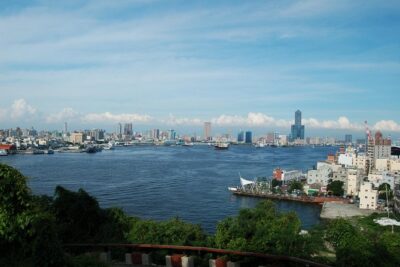
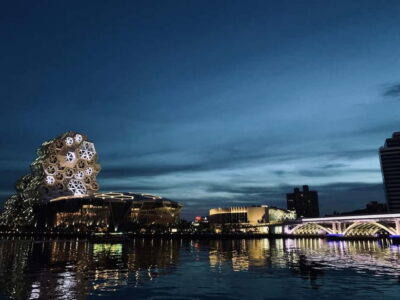
Kaohsiung Private Tour – Discover Local Hidden Gems
Read our review →
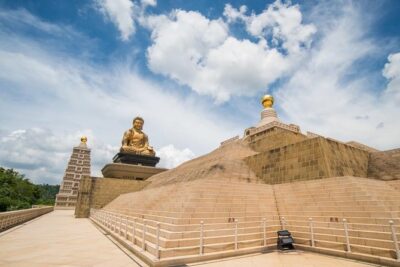



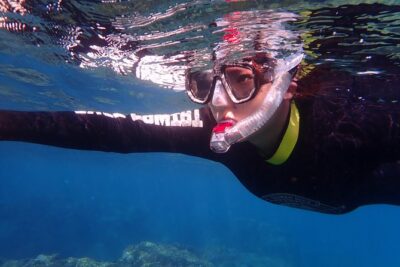
Kenting, Taiwan|Snorkeling Free underwater photography One-on-one with instructor|Taiwan Diving Snorkeling
Read our review →Browse the lists this tour appears in